 Stefani Rindus
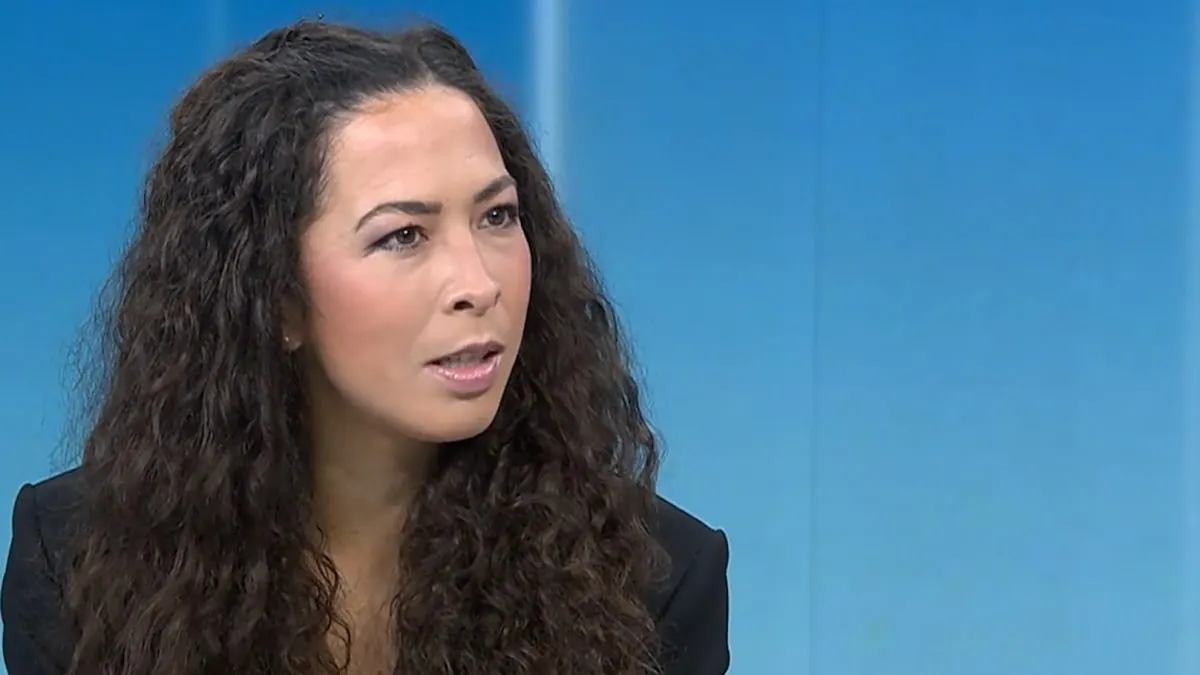
BERLIN – Germany's ruling coalition faces intense scrutiny after two years in power, with critics alleging the Social Democratic Party (SPD) remains hesitant to fully commit to the partnership, while the Christian Democratic Union (CDU) is accused of appearing passive and lacking vigor. Anna Schneider, Chief Reporter for WELT, launched this scathing critique, highlighting internal tensions that could impede the nation's crucial reform agenda in 2026.
This criticism follows statements by Lars Klingbeil, one of the SPD leaders, who called for his party to swiftly demonstrate full commitment to the coalition. However, for Schneider, such calls merely underscore the SPD's two-year-long indecisiveness.
After two years, people finally commit to the government, truly remarkable, Schneider remarked sarcastically in her comments published by the prominent media outlet WELT. The statement implies disappointment over the slow internal consolidation within the SPD camp.
This situation raises serious questions about the stability and effectiveness of the coalition leading Europe's largest economy. A prolonged period to achieve alignment is believed to harm legislative initiatives and the government's response to domestic and global challenges.
Schneider did not only target the SPD. She also directed her criticism at the CDU, the main opposition party, which she claims appears to have lost its bite amid the coalition's instability.
Next to the SPD, the CDU seems sedated, Schneider asserted, portraying the party as lethargic and unable to offer strong, constructive opposition.
This sharp critique reflects public and political observers' anxiety regarding the performance of the German parliament. Hopes for profound reforms across various sectors, including economic and social, appear to be stalled by the internal dynamics of the major parties.
Klingbeil's plea for the SPD to finally acknowledge the coalition as a shared responsibility indicates significant internal pressure within the party. This could be an effort to unite ranks and accelerate crucial decision-making processes.
Although Klingbeil seeks to foster commitment, the prevailing public narrative is that the coalition remains unsolidified. A reluctance to commit can be interpreted as a lack of full trust or the presence of factions that still disagree with the government's policy direction.
The CDU's condition, described as sedated by Schneider, suggests that the party has not successfully capitalized on the political momentum. As an opposition party, the CDU should be capable of offering alternatives and pressing the government to perform better, rather than appearing passive.
The implications of this situation are far-reaching. Without strong consensus and optimal performance from the main parties, the reform agenda could be delayed or even fail. This has the potential to worsen Germany's economic and social conditions, which are currently facing global pressures.
German budget and tax issues, which have previously drawn attention and involved Lars Klingbeil in heated debates, will likely become even more complicated without a solid unity of vision among coalition and opposition parties.
This situation is also relevant to the tax estimates previously announced by Klingbeil, which indicated that Germany's budget is constrained despite being stable. These internal conflicts will only exacerbate fiscal uncertainty.
Editorial Insight: Anna Schneider's critique of the German coalition is not merely a common appeal but a reflection of deep concerns about the nation's capacity to navigate future challenges. The need for decisive leadership and a responsive opposition is crucial. Should the two main parties fail to find a synergistic rhythm, Germany risks losing momentum for implementing vital reforms, which could ultimately affect regional and global stability. Moving forward, public and media pressure will intensify to push for tangible changes and more substantial political commitment.