 Demian Sahputra
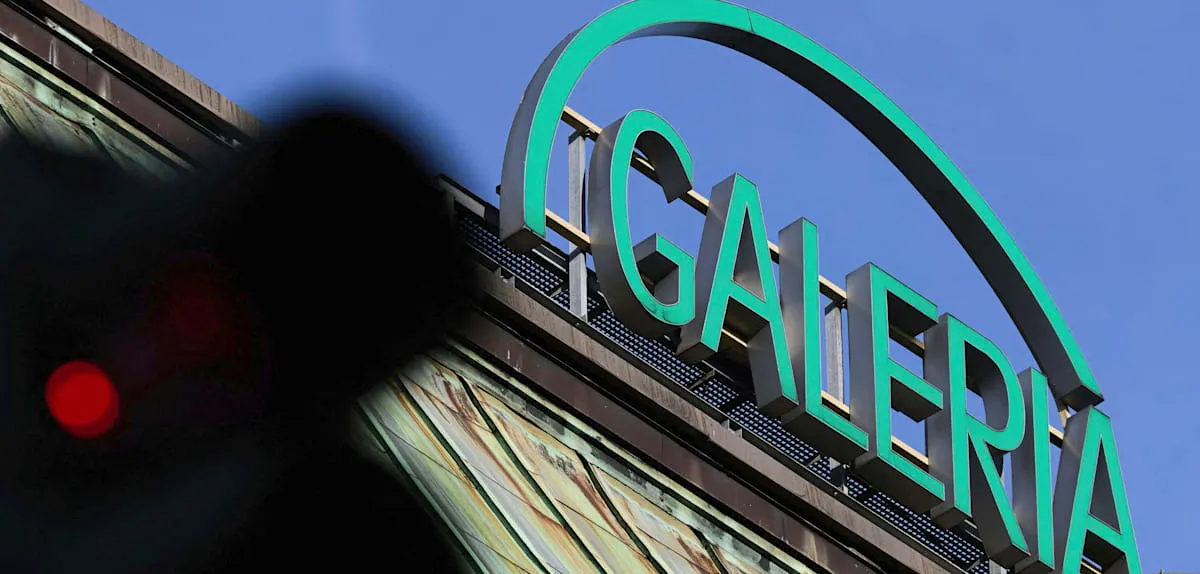
Berlin – Germany's oldest department store giant, Galeria Karstadt Kaufhof, faces a serious existential threat. A media report indicates that up to 50 of its remaining 83 branches could be permanently closed, shaking the retail sector and putting thousands of jobs at risk. This crisis marks the latest grim chapter for a historic business entity that has struggled amidst continuously changing market dynamics.
This threat of massive closures follows a series of restructurings and insolvency filings that have eroded Galeria's physical footprint over many years. From its peak of around 300 stores, the number has drastically shrunk to just 83. Now, more than half of these are on the brink, sparking widespread speculation about the future of physical retail in the heart of Europe.
The situation at Galeria is not a new phenomenon. Various traditional department stores worldwide grapple with similar challenges, ranging from fierce e-commerce competition, shifting consumer preferences, to inflationary pressures that reduce purchasing power. A business model reliant on large scale and product diversity under one roof is now being tested by the speed and specialization of digital platforms.
The German economy, as Europe's engine, also feels the impact of global pressures. Rising operational costs, especially energy, and unstable supply chains have worsened conditions for retail companies. Galeria, with its long heritage, becomes a symbol of how even industry icons are not immune to the macroeconomic turmoil afflicting them.
Economic experts predict that this wave of closures will have a domino effect. Not only will thousands of employees lose their jobs, but also many small and medium-sized suppliers who heavily depend on orders from Galeria. Furthermore, the closure of large stores in city centers can alter the face of shopping districts, potentially creating voids and reducing local economic vitality.
Intense negotiations are currently underway between Galeria's management, trade unions, and creditors. The main objective is to find solutions to maintain most operations and mitigate socio-economic impacts. However, the decisions to be made are predicted to be very difficult and likely involve drastic measures.
Despite the immense challenges, some argue that this radical restructuring could be Galeria's last chance to adapt. Modernizing the business model, focusing on unique shopping experiences, and stronger integration with omni-channel strategies might be key to survival amidst an evolving retail landscape.
This crisis also underscores the urgency for governments and policymakers to evaluate support for traditional retail sectors. Without intervention or innovative policies, more iconic institutions might collapse, leaving behind a legacy of voids and broader economic challenges.
This is not the first time Galeria has faced the brink of bankruptcy. The company filed for insolvency protection in 2020 and again in 2022. Each time, rescue efforts were made, but market pressures and accumulated debt continue to haunt it. The business continuity of Galeria is now at stake for the third time in a relatively short period.
The potential impact of this wave of closures is expected to be felt in Germany's political and social spheres. Large-scale job losses, especially in smaller cities whose economies heavily rely on Galeria's presence, could spark public dissatisfaction. Local governments must also prepare to face new challenges in revitalizing city centers and creating alternative employment opportunities.
Editorial Insight: The situation confronting Galeria mirrors the brutal transformation of the global retail sector. Repeated bankruptcies are not merely an internal management issue but a fundamental indication that the conventional department store model is dying, pressured by the aggression of e-commerce and changing consumer tastes. The German government and related entities must view this as an opportunity to invest in new, more sustainable retail models, or prepare to see more business icons displaced by the digital age.