 Angela Stefani
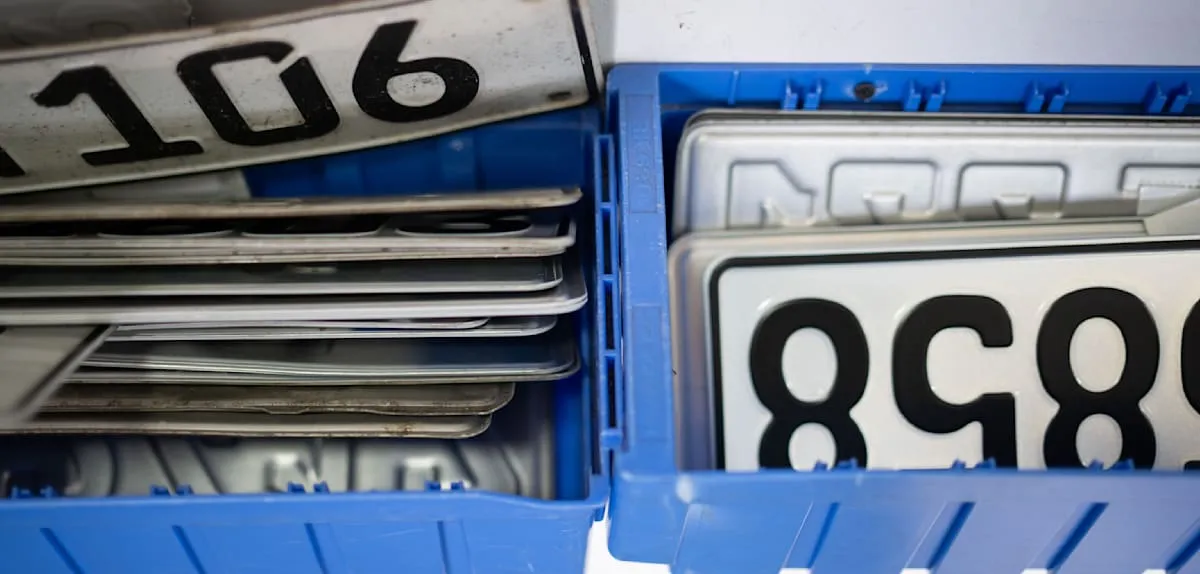
BERLIN – The state government of Rhineland-Palatinate, Germany, is taking proactive steps to tighten oversight of prohibited symbols associated with right-wing extremism, particularly Nazi codes on vehicle license plates. This policy, effective since early 2026 and subject to regular review, aims to eradicate all forms of glorification of banned ideologies in public spaces, ensuring the dark memories of history are not repeated.
This measure demonstrates Germanys serious commitment to upholding democratic values and honoring the victims of humanitarian crimes perpetrated by the Nazi regime. The ban applies not only to graphic symbols but also to letter and number combinations that subtly represent extremist ideologies, such as '88' referring to 'Heil Hitler', 'HH 18' for 'Heil Hitler, Adolf Hitler', or 'SS' referring to the Schutzstaffel, the paramilitary Nazi organization responsible for numerous atrocities.
Each federal state in Germany possesses autonomy in determining the list of prohibited codes on license plates. This autonomy allows each region to tailor policies based on local context and emerging trends of extremism. Rhineland-Palatinate has specifically updated its list of prohibitions and will regularly review it for effective enforcement.
The periodic review process undertaken by Rheinland-Pfalz signifies the regional governments readiness to address new operational methods used by extremist groups to disseminate their propaganda. This includes the potential addition of new codes that may not yet be on the list but have strong associations with banned ideologies or neo-Nazi groups.
A spokesperson for the Rhineland-Palatinate Ministry of Interior, when interviewed, affirmed, 'We will not tolerate any attempt to spread hateful ideologies. License plates are public identification, and must not be used as a medium to promote extremism.' This statement reinforces the governments determination to eliminate such symbols.
Historians and sociologists welcome this initiative. Professor Klaus Muller from the University of Mainz stated, 'The ban on these codes is not merely a symbolic act. It is a fundamental part of our collective effort to continuously educate new generations about the dangers of extremism and to keep historical memory from fading.'
While most prohibited codes are generally well-known, such as 'NS' (National Socialism) or 'KZ' (Concentration Camp), local authorities continue to monitor the emergence of new acronyms or codes used by right-wing groups to circumvent the ban. This vigilance is crucial amid increasing extremist group activity in some parts of Europe.
The actions of Rhineland-Palatinate are expected to inspire other federal states to likewise update and tighten their policies. Collective efforts such as these are vital in creating an inclusive, tolerant society free from the threat of hateful ideologies.
This prohibition is not merely about aesthetics or administrative regulation; it is about affirming a nation's moral commitment to humanitarian values and an antithesis to all forms of discrimination. It sends a strong message that Germany, in 2026, remains resolute against the resurgence of totalitarian ideologies.
Citizens are encouraged to report suspicious license plate combinations to the authorities. Active community participation is highly anticipated in maintaining the integrity of public spaces and combating all forms of extremism.
Editorial Insight:
The progressive policy of Rhineland-Palatinate in tightening the ban on Nazi codes on license plates reflects continuous vigilance against the danger of resurgent extremist ideologies. Amid waves of nationalism in several countries, this German initiative serves as a crucial reminder that dark history must always be a lesson, not to be repeated. The regular review demonstrates the government's adaptation to new tactics of extremist groups, indicating that the fight against hatred is an ongoing struggle requiring a dynamic response from the state.