 Angel Doris
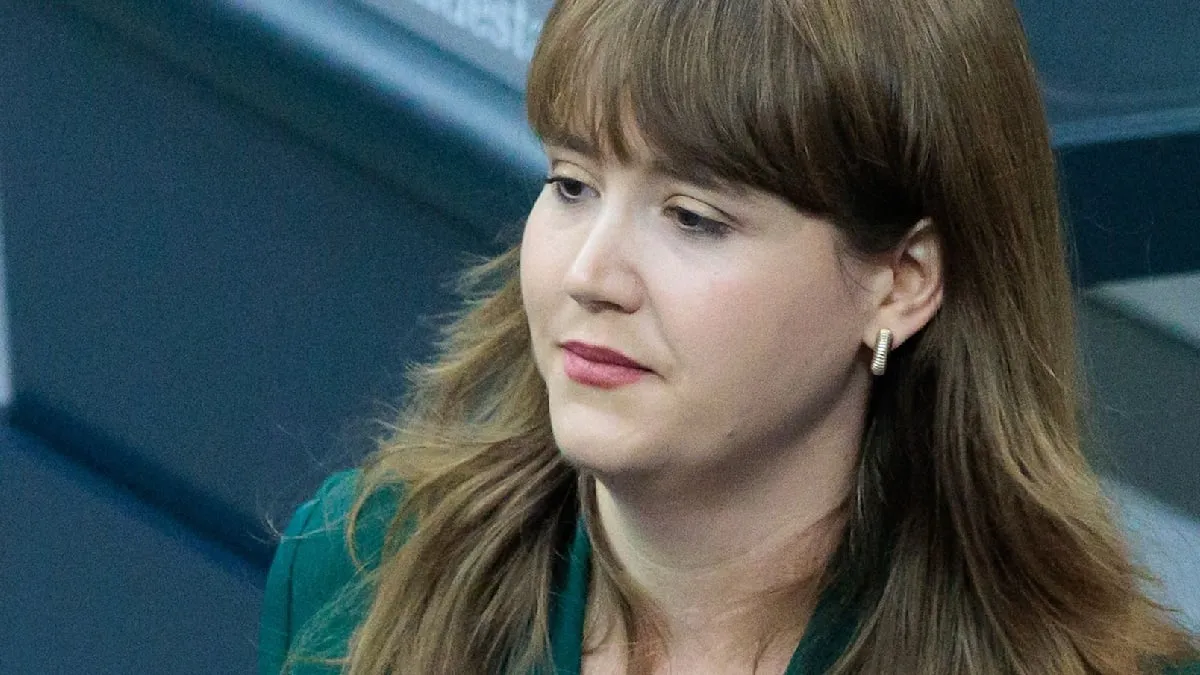
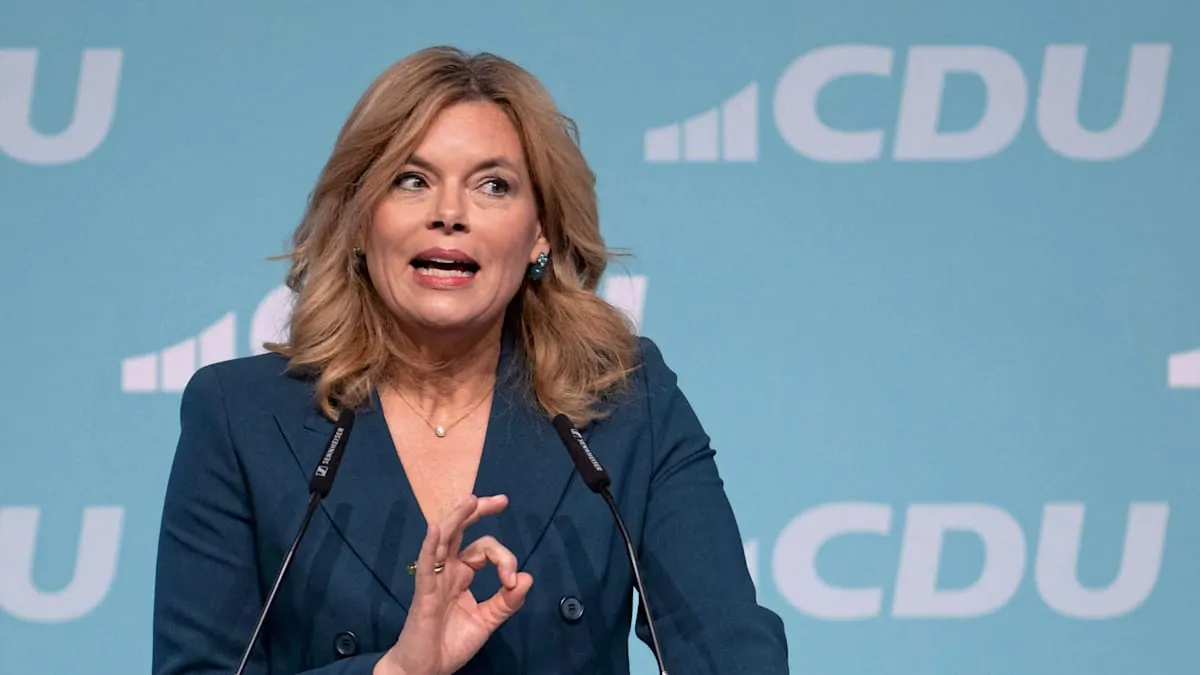
BERLIN – The German Parliament in Berlin is currently preparing to approve the federal budget draft for 2027, a fiscal document touted as the most expensive in the nation's history. Amidst this crucial debate, Green Party (Bundnis 90/Die Grunen) politician Ricarda Lang launched sharp criticism, stating that Katherina Reiche 'has no plan' to address these significant financial challenges.
Ricarda Lang's strong criticism emerged during a previous debate session, highlighting serious concerns regarding the government's fiscal policy direction. This statement directly targets the planning capacity and economic strategy of a figure considered central to policy formulation.
The approval of the 2027 budget is a major focus given the record-breaking allocation of funds. This reflects the complex global and domestic economic situation facing Germany, including inflationary pressures, investment needs in various strategic sectors, and commitments to energy transition and defense.
Ricarda Lang, known for her vocal stance on sustainability and social justice issues, urged for greater transparency and accountability in national financial management. She emphasized that a budget of this magnitude requires a clear vision and concrete strategy to ensure public funds are utilized optimally and sustainably, not merely as a reactive response to crises.
This situation occurs as Germany, Europe's economic powerhouse, confronts various upheavals. From persistent high inflation to challenges in maintaining industrial competitiveness, every budget decision carries long-term implications for the welfare of millions of citizens and regional stability.
The Parliament is expected to undergo a series of intense discussions before granting final approval. Each political faction will scrutinize crucial points in the budget, from expenditure items to revenue sources, focusing on social, economic, and environmental impacts.
The decision regarding this colossal budget is also intertwined with Germany's internal political dynamics. Recent data indicates shifts in public sentiment, as reflected in the article Chancellor Merz's Popularity Drops, AfD Surges in Germany 2026!. The budget debate becomes a battleground to garner support and demonstrate leadership capabilities.
Lang's concerns align with increasing public demands for efficiency and appropriate priorities in the use of taxpayer money. The public demands answers on how this largest-ever budget will address multiple simultaneous crises without burdening future generations with unsustainable debt.
At the European Union level, budget issues are also a hot topic. This condition is somewhat influenced by past stalemates in regional budget negotiations, as reported in EU Budget Summit Stalls, Chancellor Merz Halts Trillions of Euros in Negotiations. This highlights the close link between national fiscal policies and the broader economic framework in Europe.
Moving forward, how the German government manages this record budget will be a crucial benchmark for the country's political and economic stability. The ability to respond to criticism and present a coherent plan will determine the level of public trust in the current leadership.
Editorial Insight: Ricarda Lang's criticism of Katherina Reiche in the context of the record-breaking 2027 budget signals an escalation of political tensions in Germany. This highest-ever budget, irrespective of the urgency for investment and crisis response, has the potential to spark fierce debates regarding national priorities and fiscal sustainability. The coalition government will face a tough test in convincing the public that every euro spent is strongly justified and yields positive long-term impacts, rather than merely postponing problems or exacerbating economic uncertainty.