 Gabriella
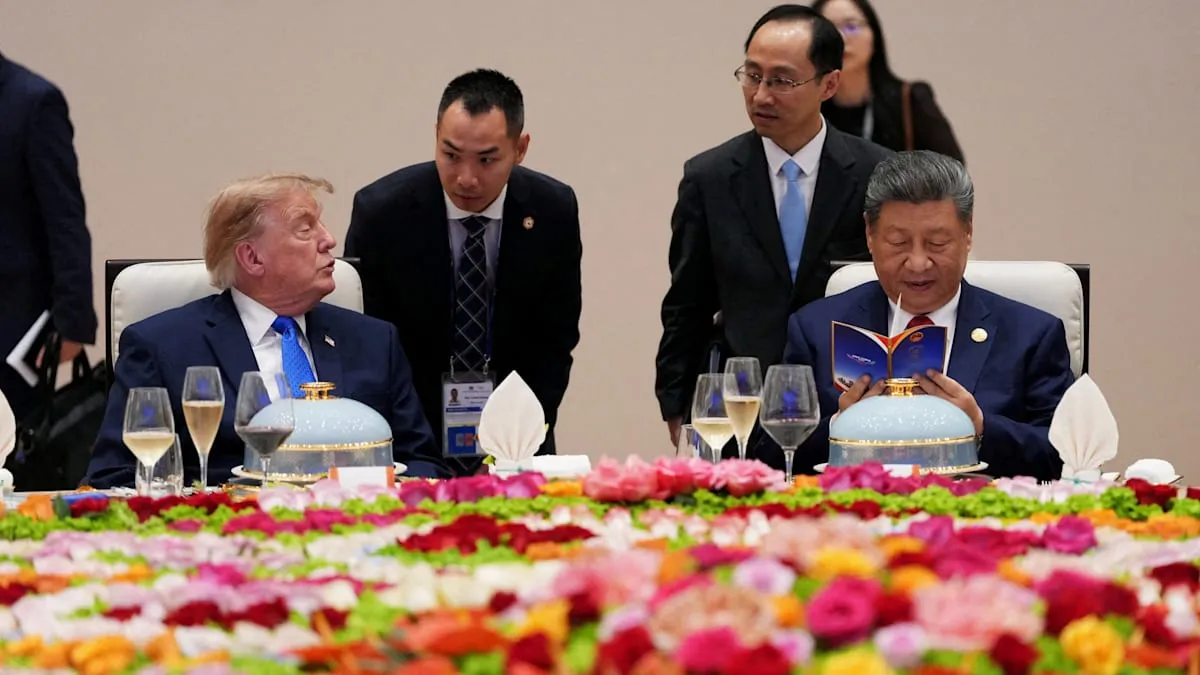
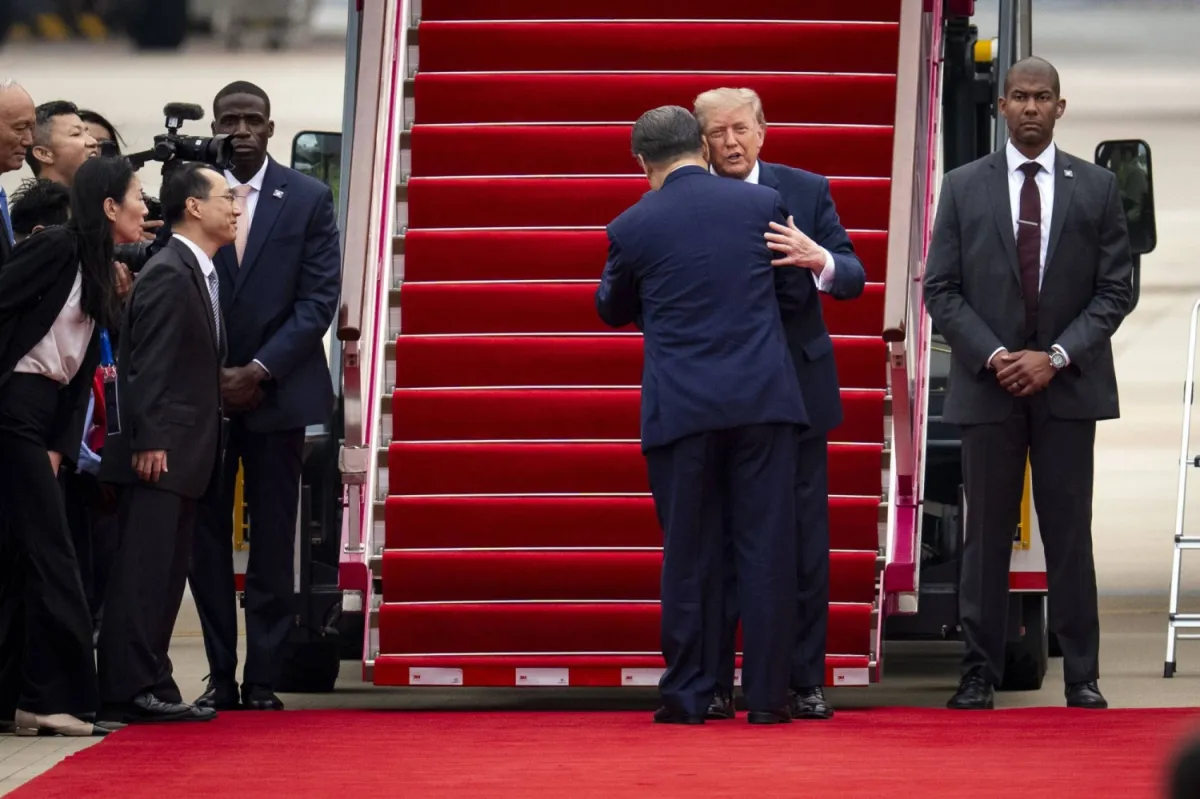
WASHINGTON – U.S. President Donald Trump reportedly delivered a less than convincing performance at a recent global summit in 2026, drawing sharp criticism from national media and political observers in the United States. Analysis by leading German media outlet WELT highlighted how Russian President Vladimir Putin and Chinese President Xi Jinping successfully dominated the global stage, while concrete results from Trump's participation were deemed minimal, even positioning him as if he were taken advantage of in crucial negotiations.
WELT journalist Michael Wullenweber reported that many circles in the United States viewed Trump's appearance with extreme skepticism. The perception that he failed to optimally secure U.S. interests or was even 'outmaneuvered' in diplomatic dynamics is gaining traction. Wullenweber specifically stated, 'Trump was more or less taken advantage of.'
This analysis is not merely a common reaction. It reflects deep concerns about the United States' geopolitical standing following the meeting.
While negative attention focused on President Trump, Presidents Putin and Xi successfully constructed a narrative of strong dominance. They utilized this opportunity to showcase a strategic unity between Russia and China, projecting an image of cohesive power to the international public. The discussions and initiatives they presented managed to leave a more substantial impression, far surpassing the U.S. delegation.
The absence of tangible outcomes or significant declarations from the United States following the summit further complicated the situation. Hopes for breakthroughs on major global issues, such as trade, cybersecurity, or climate change, seemed to vanish without a trace of meaningful contribution from the U.S. delegation. This raises questions about the effectiveness of U.S. diplomacy in confronting an increasingly solid power bloc.
In Washington, this analysis adds political pressure on the Trump administration. Opposition circles and even some factions within his own party are beginning to question the White House's foreign policy strategy. This issue could spark intense debate about the future direction of U.S. foreign policy, especially with upcoming economic issues like the deadline for Trump Media. (Trump Media Faces Deadline: Avoid Selling Bitcoin to Clear IDR 13.7 Trillion Debt?)
The global geopolitical context in 2026 indeed shows significant power shifts. Competition among superpowers is intensifying, and every international meeting becomes a strategic arena to assert influence. Putin and Xi's success in dominating the narrative of this summit sends a strong message about the increasing influence of the Eastern bloc.
This situation can also be linked to previous geopolitical incidents that demonstrated global tensions. For instance, attacks on the Kerch Bridge, a symbol of Russian power, underscore the dynamics of a competition that is not always peaceful. (Crimean Bridge Attacked Again: Putin's Symbol of Power Severely Shaken)
The aftermath of this summit is expected to have long-term implications for international relations and the global balance of power. U.S. allies may seek clarification regarding Washington's commitments, while Russia and China could further solidify their alliance.
Observers predict that this summit will become an important reference in the study of diplomacy and multilateral negotiations. It demonstrates the crucial importance of thorough preparation and effective communication strategies in every political interaction at the global level.
The criticism of President Trump's performance on the international stage serves as an alarm. It signals that a leader's reputation and negotiation skills can greatly influence global perceptions of a superpower.
Editorial Insight: This incident underscores the complex challenges the United States faces in maintaining its dominance in the global arena. When other key actors like Russia and China present a united front and are more effective in communicating their agenda, the U.S. requires a serious strategic review of its diplomatic approach. Losing momentum on the global stage like this is not merely an image problem but a potential fundamental shift in the world's security and economic architecture.