 Chandra Wijayanto
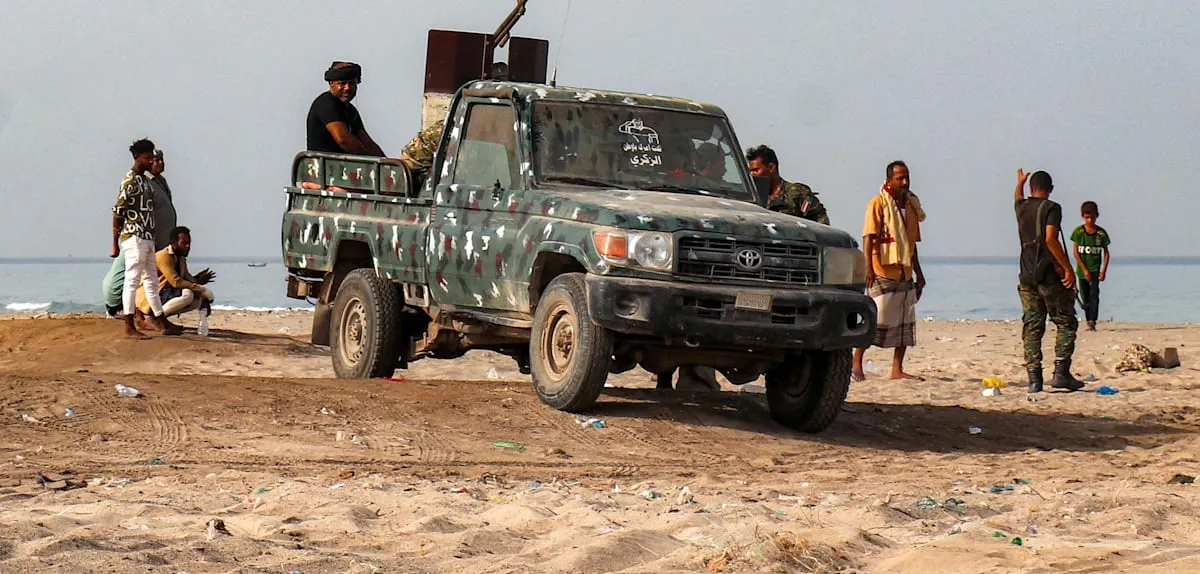
JAZAN — The Houthi militia, an Iran-backed group based in Yemen, launched a devastating retaliatory attack against Saudi Arabia in early 2026, targeting the coastal city of Jazan on the Red Sea. The incident, confirmed by a Houthi military spokesperson, involved precise missile strikes that ignited significant fires at various vital facilities, underscoring the latest escalation in a protracted regional conflict that frequently threatens global maritime stability.
The missile strikes, claimed by the Houthis as a 'legitimate military operation' in response to the Saudi-led coalition's continuous aggression in Yemen, caused panic among Jazan residents. Initial footage circulated on social media showed thick plumes of smoke rising high from areas suspected to be energy facilities or vital infrastructure, though there has been no official confirmation from Riyadh regarding the extent of damage or casualties.
Houthi spokesperson Yahya Saree, in a statement released in Sanaa, affirmed that this attack was a response to war crimes and the blockade imposed by the coalition. Saree emphasized that the Houthis would continue to carry out 'proportionate retaliation' as long as the aggression against Yemen is not ceased, warning of potentially broader targets in the future if the situation does not de-escalate.
The Saudi Arabian government, through its Ministry of Defense, swiftly condemned the attack as a 'terrorist act' endangering civilians and vital infrastructure. Saudi air defense systems reportedly intercepted several projectiles but were unable to neutralize all threats, leading to the fires in Jazan. Firefighting and damage assessment processes are currently underway by the relevant authorities.
Jazan city itself is a strategic location, home to one of Saudi Arabia's main ports and important industrial facilities, including an oil refinery. Its position on the Red Sea coast makes it a repeated target in the Yemen conflict, given the vital international shipping lanes that pass through these waters, including the Bab al-Mandab Strait, which is the gateway to the Suez Canal.
This latest escalation further exacerbates geopolitical tensions in the Gulf and Red Sea regions. The Yemen conflict, often termed a proxy war between Saudi Arabia and Iran, has claimed hundreds of thousands of lives and caused the world's worst humanitarian crisis. Cross-border attacks such as this add complexity to stalled peace efforts.
The international community, including the United Nations, has repeatedly called on all parties to exercise restraint and return to the negotiating table. The UN Secretary-General in early 2026 reiterated warnings about the dangers of further escalation, which could have severe regional and global consequences, especially for oil price stability and global supply chains.
The United States, a key ally of Saudi Arabia, expressed deep concern over the Houthi attack. A US State Department spokesperson emphasized the importance for all parties to de-escalate tensions and seek a comprehensive political solution to the Yemen conflict, while reaffirming support for Saudi territorial security.
This attack is not the first time the Houthis have targeted Saudi territory. In recent years, the militia has used a combination of ballistic missiles and unmanned aerial vehicles to strike military and civilian targets in Saudi Arabia, including Riyadh, Jazan, and Aramco oil facilities. This pattern of attacks demonstrates the Houthis' evolving capabilities and the logistical support they receive.
The conflict, which has lasted for nearly a decade, has created unimaginable suffering for the people of Yemen. Millions face shortages of food, clean water, and healthcare services. Each retaliatory attack only prolongs the cycle of violence and pushes away the prospect of peace desperately needed by civilians.
Various mediation efforts, led by the UN and Oman, continue to seek a permanent ceasefire and a comprehensive peace framework. However, incidents like the attack in Jazan significantly hinder progress made and raise doubts about all parties' commitment to a peaceful resolution.
Geopolitical analysts suggest that this Houthi attack could be a strong message to Riyadh to reconsider their strategy in Yemen, or even an attempt to draw international attention to the ongoing suffering in Yemen. Without a fundamental political resolution, the cycle of attacks and retaliation is predicted to continue, with destructive impacts on regional stability.
This escalation in Jazan also has the potential to trigger stronger retaliation from the Saudi-led coalition, as seen in previous events. This attack adds to a long list of incidents demonstrating that military efforts to suppress the Houthis have not been entirely effective, and instead prolong a damaging conflict. Related article: Saudi Coalition Strikes Yemen: Houthi Maritime Terrorism Faces Stronger Retaliation.
This situation demands a more holistic and urgent approach from the global community. Stronger diplomatic pressure and more coordinated humanitarian efforts are needed to end this crisis, prevent broader impacts, and protect the lives of millions of civilians trapped in this prolonged cycle of conflict.