 Debby Wijaya
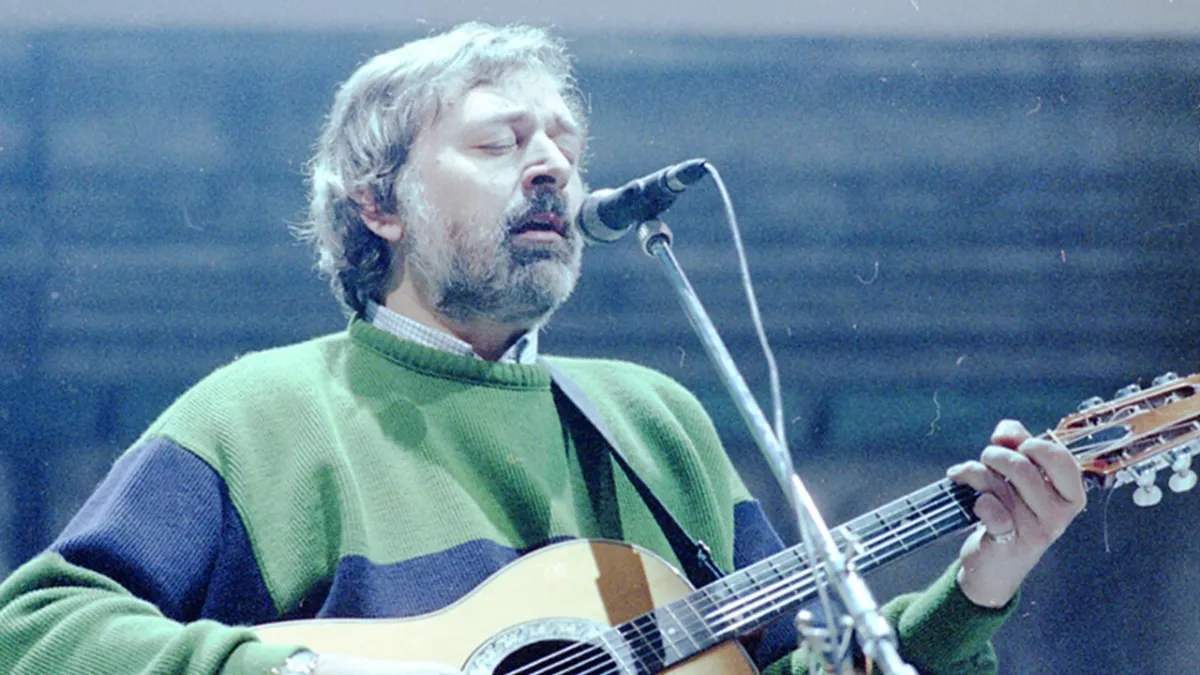
ROME – Italian music legend, Francesco Guccini, who recently passed away at the age of 86, left behind a timeless lyrical legacy. His spirit and profound thought are encapsulated in ten unforgettable verses that continue to resonate, reflecting his life's journey and culture, and serving as an inspiration for future generations. Who was Guccini, and how do his works continue to influence the world of music today?
Known as the “Maestrone” from Pàvana, Guccini was a singer-songwriter (cantautore) capable of weaving words into reflections of social, political, and existential realities. Through simple yet deeply meaningful melodies, he voiced the anxieties, hopes, and daily life portraits of Italian society, making him one of the most influential cultural icons of the 20th and early 21st centuries.
The passing of the maestrone at 86 years old left a deep sorrow throughout Italy, as reported by various media, including in the article Italy's Music Mourns: Maestrone Francesco Guccini Passes Away at 86. However, instead of lamenting his passing, the public chooses to celebrate the eternal legacy he left behind, especially through the richness of his lyrics.
These ten unforgettable verses are not merely a sequence of sentences but the essence of Guccini's philosophy. Each stanza contains the core of an artist's intellectual and emotional journey who dared to speak truthfully. These verses are often quoted on various occasions, from literary discussions to street demonstrations.
Guccini's lyrics often touched upon universal themes such as love, loss, changing times, and social critique. He possessed an extraordinary ability to capture the nuances of rural life in Emilia-Romagna, particularly Pàvana, as well as the hustle and bustle of big city life like Bologna, where he spent most of his years.
Guccini's connection with Pàvana, a small village in the Apennine mountains, and Bologna, the city that fostered his name, shaped his lyrical landscape. He was a skilled storyteller, bringing these places to life in his musical narratives, as reviewed in Bologna Remembers Guccini, Music Legend Who Became Eternal Family at Trattoria Vito.
Guccini's poetic style is often compared to great literary figures. He used everyday language but with a profound artistic touch, creating sharp metaphors and vivid descriptions. The narrative power in each of his songs makes listeners feel as if they are delving into a short story or a long poem.
In 2026, Guccini's legacy remains increasingly relevant. His works continue to be studied in academic institutions and sung by various generations. This affirms that "words are love," as he himself once stated, and his love for words is what formed his enduring legacy.
Even after his passing, his work continues to speak volumes. A posthumous book containing his thoughts and writings is reportedly set for publication in September 2026, enriching Italian literature and extending his influence, in line with the article Guccini's Eternal Legacy: Words Are Love, Posthumous Book Shakes September 2026!.
Quoting one of his most famous verses, "Non so se è più bello o più triste, ma è così..." (I don't know if it's more beautiful or sad, but that's how it is...), Guccini always taught us to accept life's complexities with open eyes. These ten timeless lyrics are a window into the soul of a true artist who, at 86, continues to live through every word he left behind.