 Stefani Rindus
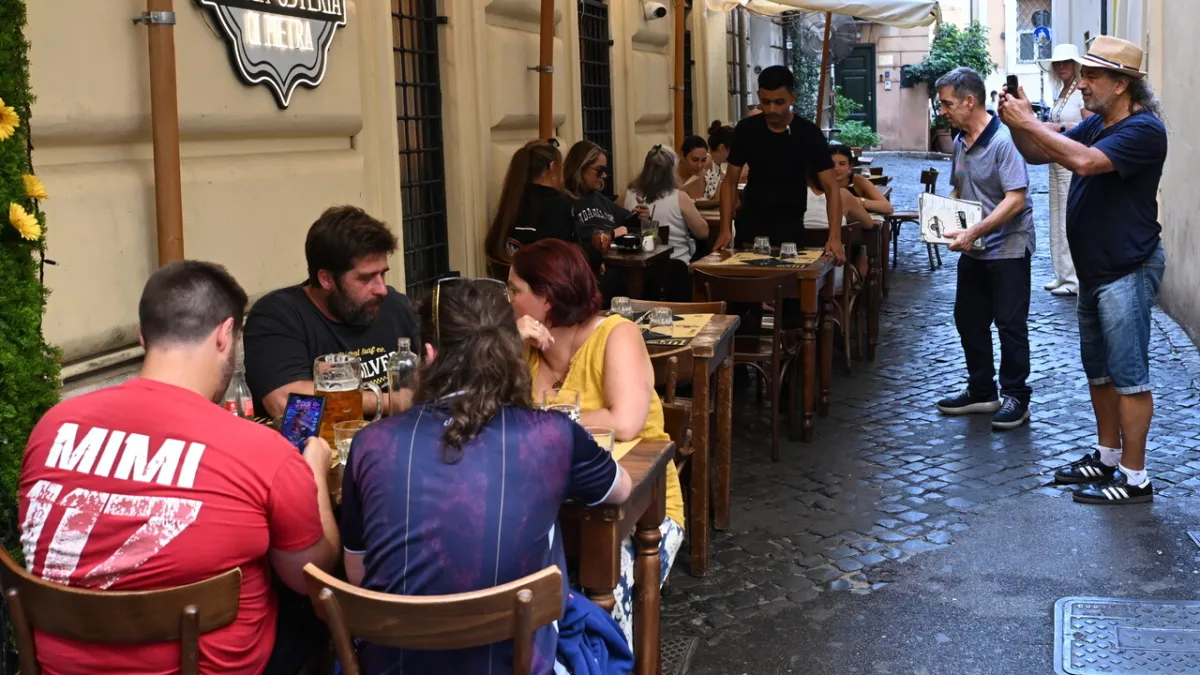
ROME – Essential holiday expenses in Italy, encompassing accommodation and dining out, have surged significantly by 3.4% in 2026 compared to the same period the previous year. This condition is triggered by an inflation spike that surpassed initial expectations, posing new challenges for the tourism sector and travelers' wallets.
Latest data released by the Italian National Institute of Statistics (Istat) indicates that inflation estimates have been revised upwards. The July 2026 inflation figure stands at 2.9%, higher than the preliminary data which previously predicted only 2.8%. This adjustment points to persistent price pressures across the country.
Despite a slight slowdown compared to June's inflation rate of 3%, the increase in July remains above initial projections. This trend confirms that the pace of price increases has not shown drastic signs of slowing down, particularly in sectors directly related to tourist needs.
These rising prices directly affect Italy's appeal as a prime tourist destination. Millions of international and domestic tourists planning to enjoy the beauty of the Mediterranean or Roman cultural heritage now need to allocate a larger budget for every aspect of their trip.
Families and individuals relying on summer holidays are forced to face difficult choices: shortening their trip, seeking more economical options, or paying more. Inflation in dining and accommodation services becomes a tangible burden directly felt by consumers.
This inflation surge also signals broader challenges for the Italian economy. While efforts are made to boost economic growth, inflationary pressure can erode purchasing power and hinder the ongoing post-pandemic recovery.
The Italian government and the European Central Bank are likely closely monitoring these price dynamics. Monetary policy, including potential interest rate adjustments, becomes a vital instrument to control inflation without sacrificing overall economic stability.
External factors such as global energy price fluctuations and supply chain constraints continue to be drivers of inflation. Unstable geopolitical conditions in various parts of the world also contribute to commodity and transportation price uncertainties, which are ultimately reflected in holiday costs.
Tourism industry players are now striving to anticipate the long-term impact of this rising price trend. Promotional strategies and tour packages may need to be adjusted to maintain visitor interest amidst constantly fluctuating economic conditions. Projections for the year-end or early next year holiday seasons are still overshadowed by inflation uncertainty.
For travelers, it is advisable to plan trips more carefully, compare prices, and take advantage of special offers. Flexibility in destination choices or timing of visits can also be key to enjoying a holiday without overspending. This situation demands adaptation from all parties involved in the tourism ecosystem.
Editorial Insight: The increase in holiday costs in Italy in 2026 is not merely a statistical figure, but a reflection of persistent global inflationary pressures. This serves as a test for the government and tourism industry stakeholders to balance economic recovery with consumer purchasing power. Without a comprehensive strategy, Italy's tourism competitiveness on the international stage could be jeopardized, and the tourist experience will be significantly affected. Moving forward, a focus on operational efficiency and innovative tourism products may be key to maintaining price stability and the sustainability of this vital sector.