 Stefani Rindus
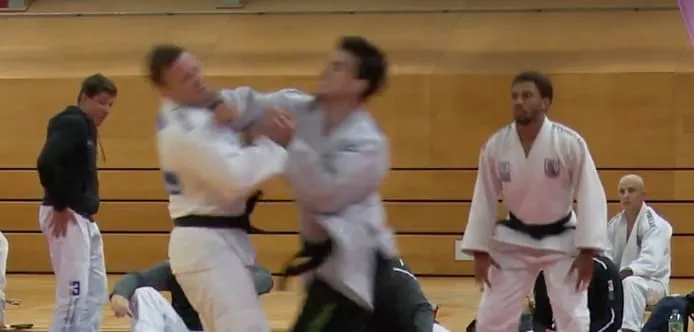
LEIPZIG – A shocking incident has rattled the German martial arts scene when judoka Japaridze brutally attacked his opponent, Cavelius, causing a serious injury in the form of a broken jaw. This tragic event occurred shortly after a match in the Judo Bundesliga, triggering a police investigation and potential severe penalties for the athlete from Leipzig.
This distressing occurrence stains the integrity of professional sports competitions, particularly at this elite level. According to initial reports, a heated dispute on the mat escalated beyond the bounds of sportsmanship, culminating in an intolerable act of physical violence.
Japaridze's punch against Cavelius was forceful, requiring the victim to be rushed to the hospital. Medical diagnosis confirmed a broken jaw, a serious injury that demands intensive treatment and a lengthy recovery period.
In response to the incident, law enforcement authorities swiftly intervened. A formal investigation has commenced to gather evidence and statements from all involved parties and eyewitnesses. The case is now in the hands of legal authorities, highlighting the criminal dimension behind a sporting event.
The German Judo Federation, which oversees the Bundesliga, is expected to take stringent action. Japaridze, as the perpetrator, faces the threat of a long-term ban from competition, potentially even a lifetime suspension, depending on the investigation's outcome and the disciplinary committee's decision. Such measures are standard responses to extreme unsportsmanlike conduct.
This incident not only impacts the individuals involved but also the overall image of judo. Judo, an art that upholds values of discipline, respect, and self-control, must now contend with a blemish caused by one of its athletes. The public demands clarity and justice for this disgraceful event.
The noble principles within martial arts teach that combat only occurs within the arena under clear rules. Aggression outside these parameters constitutes a fundamental violation of sporting ethics. The Japaridze case serves as a bitter reminder of the importance of maintaining sportsmanship in every situation.
While rare, incidents of extreme post-match violence are not unprecedented in the world of sports. However, such violence invariably draws strong condemnation and serious corrective actions from relevant authorities. In other sports leagues, such as the football Bundesliga, unsportsmanlike conduct is also severely penalized.
Japaridze's professional judoka career now hangs in the balance. Besides facing criminal charges from the police, sanctions from the sports federation will significantly impede or even terminate his participation in competitions. This serves as an expensive lesson for every athlete regarding the consequences of actions driven by uncontrolled emotions.
This incident also prompts discussions about the necessity of strengthening oversight and education on emotional management for athletes. Federations may need to review safety protocols and rule enforcement to prevent similar occurrences in the future, thereby protecting the integrity of athletes and the sport itself.
The reactions from the public and judo fans have been mixed. Many expressed deep disappointment, demanding the harshest possible punishment for the perpetrator. Conversely, some called for the case to be handled fairly and transparently, without undermining the essence of sportsmanship that must always be upheld.
The resolution of this case will set an important precedent for the Judo Bundesliga and martial arts in Germany. The final decisions from both the police and the disciplinary committee will determine how the sport moves forward in upholding its rules and preserving its image globally.
Editorial Insight: This act of violence in the Judo Bundesliga is more than just a rule violation; it is an assault on the very foundation of sportsmanship. Its impact extends beyond tarnishing judo's image, raising serious questions about the psychological pressures athletes face and the effectiveness of emotional management in professional sports. Federations and clubs must invest more in mental and ethical training, not just physical, to ensure similar incidents do not recur and that the noble values of sport are preserved for the future.