 Dodi Irawan
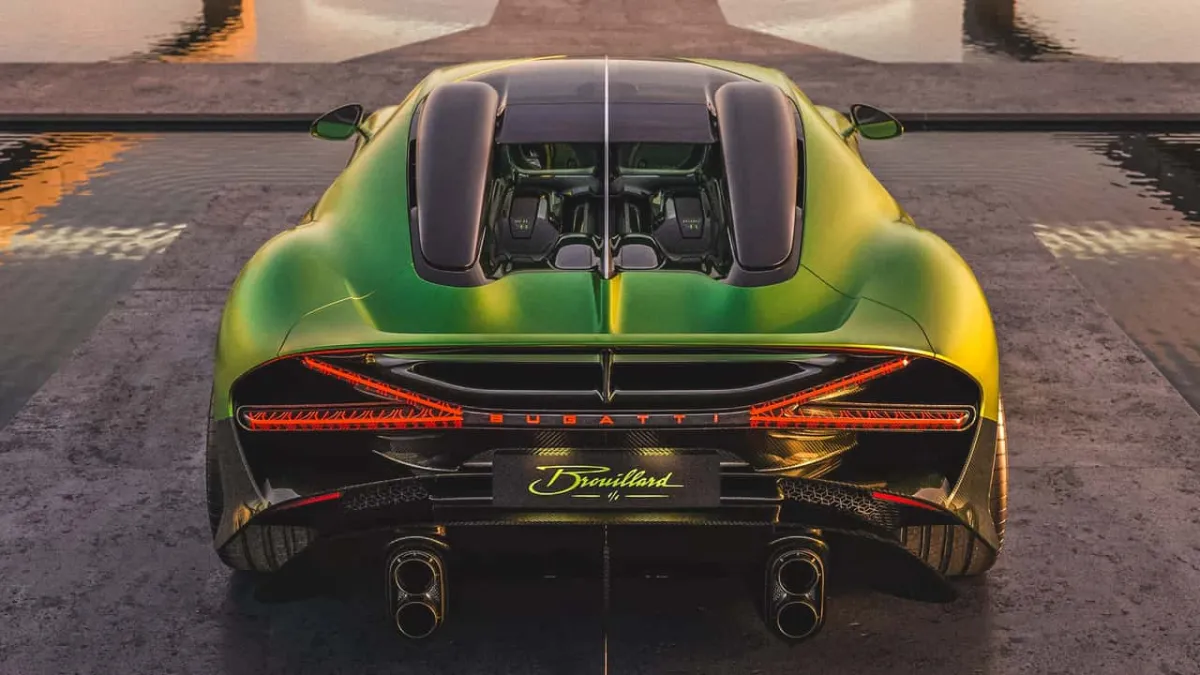
ZAGREB – Mate Rimac, founder and CEO of Rimac Automobili, recently unveiled an intense internal conflict with the Volkswagen Group regarding the future direction of the legendary hypercar brand, Bugatti. Rimac's fierce resistance successfully thwarted the German automotive giant's plans to launch an electric SUV and develop a fully electric successor to the Bugatti Chiron, a move he described as a 'huge fight.'
This confrontation emerged following the acquisition of Bugatti by a new partnership, Bugatti-Rimac, formed in 2021. Under this new ownership structure, Mate Rimac assumed operational control, while Porsche (part of the Volkswagen Group) became the primary shareholder. Rimac's vision for Bugatti, a brand renowned for its massive W16 engines, fundamentally differed from the total electrification path advocated by some factions within the Volkswagen Group.
Mate Rimac openly expressed his opposition to the idea of Bugatti producing an electric sport utility vehicle (SUV). According to him, the SUV concept does not align with Bugatti's deeply rooted core identity as a manufacturer of pure sports cars and exclusive hypercars. 'Bugatti is about unmatched purity of performance and design, not multifunctional vehicles,' Rimac stated in an interview.
The Volkswagen Group's plans at the time were driven by strong market trends towards luxury SUVs and the increasingly urgent demand for electrification. Many luxury brands, including those affiliated with the same group, have achieved significant success with their SUV models. However, Rimac argued that Bugatti must preserve its uniqueness and exclusivity, rather than merely following mainstream market trends.
In addition to rejecting the electric SUV, Mate Rimac also firmly opposed the idea of developing the Bugatti Chiron's successor as a full electric vehicle (EV). For him, a direct transition from the iconic W16 engine to an electric powertrain would erode the unique heritage and appeal that makes Bugatti so special in the eyes of enthusiasts and collectors. He believes a more gradual and strategic approach is necessary.
The internal debate was fierce and involved key parties within the Volkswagen Group. Mate Rimac, with his clear vision for the brand, was determined to ensure that Bugatti remained true to its DNA. His success marks a victory for brand identity and a more conservative approach to technological evolution in the ultra-luxury hypercar segment.
As a result, Bugatti is now projected to continue its innovation with a different approach. The Chiron's successor, which is currently the focus of development under Rimac's leadership, is expected to feature a sophisticated combination of an internal combustion engine with hybrid technology. This approach allows Bugatti to adapt to stringent emission regulations without compromising the distinctive driving experience.
This decision also reflects a broader strategy in the luxury automotive segment, where some manufacturers choose the hybrid path as a bridge towards full electrification. They recognize the importance of a smooth transition so that consumers continue to experience the essence of performance and brand character they have long cherished.
The Bugatti-Rimac partnership itself is an interesting entity, combining Rimac's expertise in high-performance electric technology with Bugatti's legacy in luxury and extreme speed. Although Mate Rimac rejected full electrification for the Chiron, this does not mean he rejects electrification altogether. In fact, Rimac Automobili is a leader in high-performance electric vehicles.
In the context of a constantly changing automotive industry, the challenge of balancing tradition and innovation becomes crucial. Mate Rimac's resistance to the Volkswagen Group's aggressive electrification plans demonstrates the importance of maintaining a strong brand identity amidst market and technological pressures. Other companies under the Volkswagen Group umbrella, such as Porsche, also continue to innovate in high-performance technology. For example, Porsche Shakes Up Automotive World: Adaptive Fins Change Car Maneuvering, showcasing diverse approaches to the future of vehicles.
The implications of this clash extend beyond just two vehicle models. It is a powerful statement about the direction Bugatti will take under new leadership, a direction that respects the past while embracing the future on its own terms. Bugatti enthusiasts worldwide can now look forward to innovations that maintain the essence of uncompromising luxury and speed.
Editorial Insight: Mate Rimac's decision to reject total electrification for Bugatti, particularly for the Chiron successor and the electric SUV concept, is a bold and smart strategic move. Amidst the clamor for mass electrification, he chose to preserve the brand's unique identity and DNA, built over centuries. This is not a rejection of innovation but a careful adaptation, ensuring that the transition to alternative energy futures is done without compromising the core identity. This step could serve as a blueprint for other ultra-luxury hypercar brands grappling with similar challenges, affirming that heritage and emotion are often more valuable than merely following market trends.