 Demian Sahputra
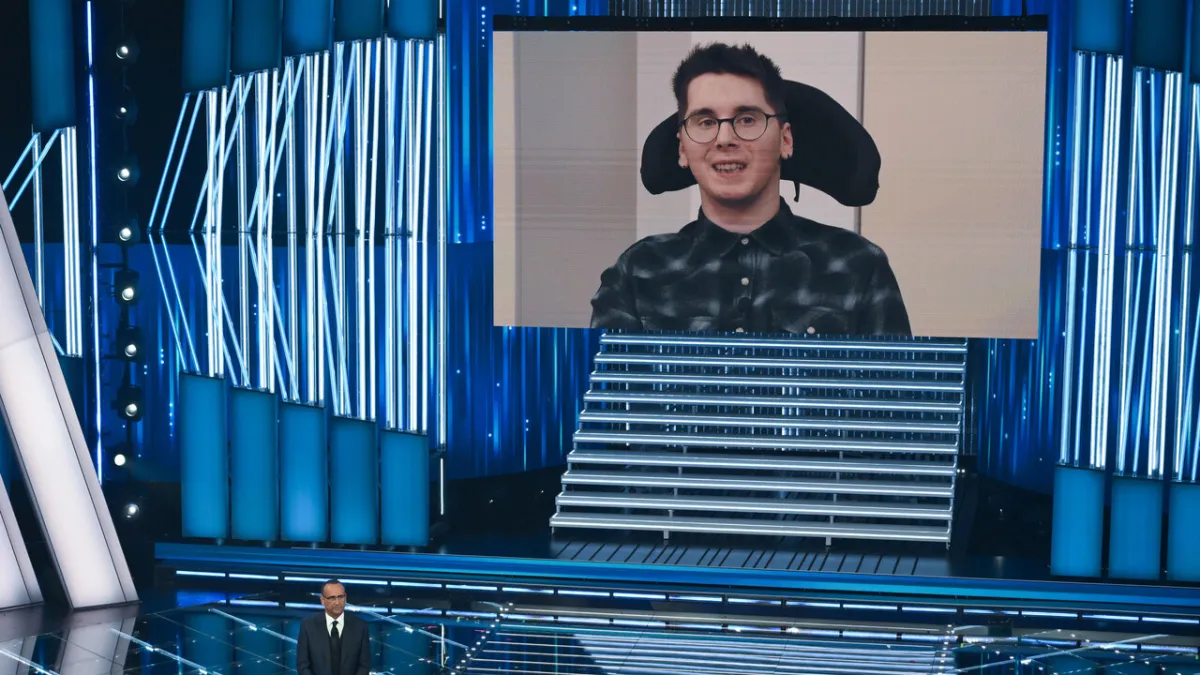
ALBENGA – After 913 days trapped in a state of tetraplegia following an assault, Paolo Sarullo, a resident of Albenga, Italy, is now able to move his legs and walk again. This extraordinary recovery story symbolizes human resilience and the advancements in medical rehabilitation in 2026, offering new hope for those facing similar challenges.
The tragic incident that befell Sarullo occurred more than two and a half years ago, when a single, fatal punch resulted in severe spinal cord injury. Medical diagnosis confirmed he suffered from tetraplegia, a condition of paralysis affecting all four limbs, completely altering the course of his life and that of his family.
Doctors were initially pessimistic about the prospects of a full recovery. Sarullo had to confront the harsh reality that he might never again experience the sensation of walking or even performing basic activities independently. However, his determination to rise above never wavered, even in the face of unimaginable physical and emotional obstacles.
'I did not give up,' Sarullo stated with fervent spirit from his home in Albenga, recalling the dark days post-incident. This quote became a mantra for him throughout the grueling rehabilitation journey, involving intensive physical therapy sessions, adaptation to assistive technology, and unwavering support from his family and medical team.
Sarullos rehabilitation program was comprehensive, encompassing continuous physiotherapy, occupational therapy to train fine motor skills, and psychological support. Innovations in neurorehabilitation also played a crucial role, allowing damaged nerves to slowly regenerate and rebuild connections.
The journey was not without its impediments. There were moments when frustration and despair set in. Yet, every small step forward, from being able to wiggle a finger to lifting a leg, fueled his spirit. He proved that the limits of capability can often be transcended with sheer willpower.
Sarullos recovery is not merely about restoring physical function but also about reclaiming dignity and quality of life. His ability to walk again, albeit slowly and requiring adaptation, marks a significant triumph over a condition previously deemed permanent.
Paolo Sarullos story quickly spread, inspiring many and highlighting the importance of investment in research and rehabilitation facilities for spinal cord injury patients. His achievement demonstrates that hope always exists, even in the most extreme cases.
Medical experts who handled Sarullos case acknowledge that patient perseverance was a decisive factor. While medical science provides the tools and methods, it is the individuals fighting spirit that pushes the boundaries of recovery. This success also opens discussions on holistic approaches in rehabilitation care.
Sarullos post-recovery life is expected to become a beacon for other individuals struggling with paralysis. He plans to advocate for the importance of resilience and access to quality rehabilitation care, transforming his personal tragedy into a universal inspiration.
Editorial Insight: Paolo Sarullo's story transcends mere medical recovery news; it is a narrative about the power of human will and the progressive nature of medical science. This success should prompt governments and global health organizations to increase funding for spinal cord injury research and ensure access to the best rehabilitation for all. The impact extends beyond the individual, influencing a paradigm shift in the treatment of paralysis.