 Angela Stefani
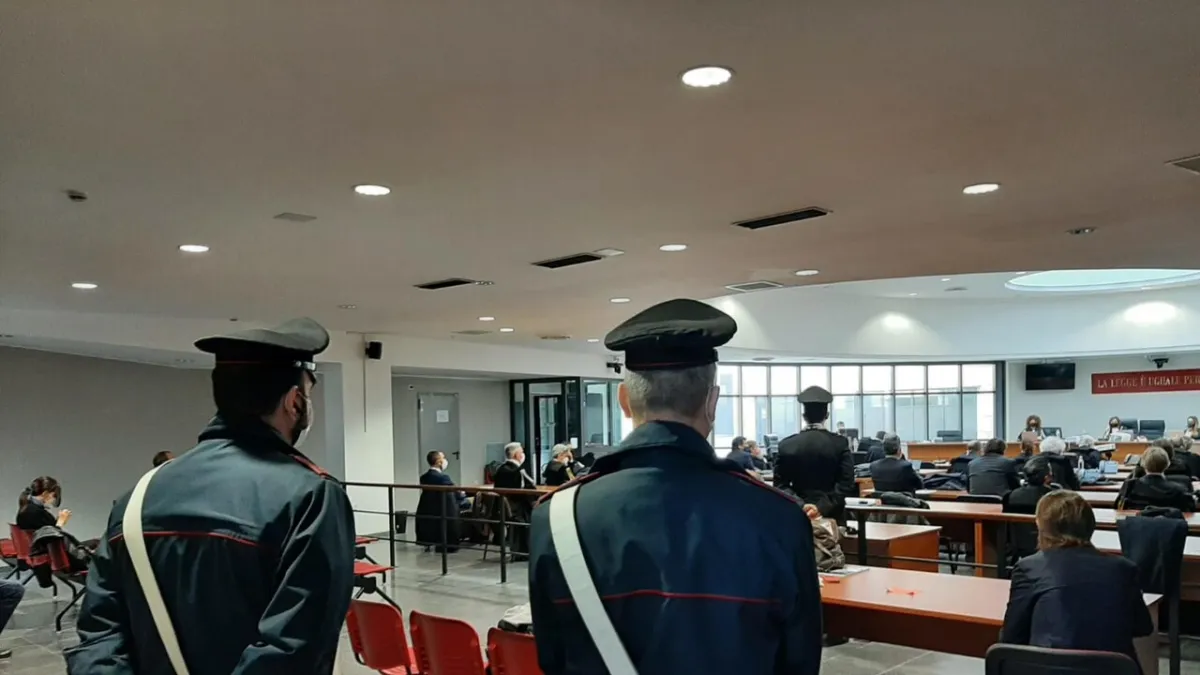
VICENZA – The Assize Court in Vicenza, Italy, recently sentenced a couple to two years in prison on charges of negligent homicide. This verdict comes after their toddler son died from a malignant tumor, sparking a fierce debate in 2026 about the limits of parental responsibility and medical intervention amidst personal beliefs.
This tragic case centered on allegations of negligence that led to the child not receiving adequate and timely medical treatment. Court sources stated that the judicial panel accepted the defense's request regarding the classification of the charge, leading to the designation of omicidio colposo or negligent homicide, rather than a more severe accusation.
Undisclosed for family privacy, the couple's child was diagnosed with an advanced-stage tumor some time ago. Nevertheless, it is strongly suspected that the parents opted for alternative methods or delayed conventional medically recommended treatments, which according to the prosecution became a crucial factor in the deterioration of the child's health, ultimately leading to death.
The verdict immediately shook public opinion in Italy, reigniting a long-standing discussion about parents' rights to make medical decisions for their children, especially when personal beliefs clash with medical consensus. Many expressed deep sorrow, while others called for an affirmation of the state's role in protecting child welfare.
Defense attorneys argued that the parents acted based on what they believed was best for their child, despite potentially making a wrong medical judgment. They also highlighted the immense emotional and psychological pressure experienced by the family. Meanwhile, the public prosecutor emphasized that a child's right to life and proper healthcare must be the top priority.
Italian law, like that of many other countries, has strict provisions regarding negligence causing death. This case sets an important precedent, affirming that parental decisions, even if well-intentioned, cannot disregard accepted medical standards if they endanger a child's life.
Similar incidents, albeit with different nuances, have previously sparked controversy in various parts of the world. Some cases involve parents refusing blood transfusions based on religious beliefs, or delaying cancer treatment for philosophical reasons, often ending in court with varied outcomes. This demonstrates the complexity of issues involving ethics, law, and religion.
Medical professionals and child protection organizations welcomed this ruling as an affirmation of the principle that children have rights that must be protected, even from decisions potentially detrimental to them by their legal guardians. They emphasized the importance of collaboration between families and medical teams for the best interests of pediatric patients.
The debate on the balance between family autonomy and child protection is likely to continue. This Vicenza case is projected to become a reference in future discussions about legal reforms or clearer ethical guidelines for parents and healthcare providers.
Editorial Insight: This case in Vicenza is not merely about a criminal conviction; it reflects the eternal tension between parental rights and the moral and legal obligation to protect children. The two-year prison sentence, while perhaps feeling heavy for the grieving family, sends a strong message that fatal negligence will face serious legal consequences. It reaffirms that within the legal system, the welfare and survival of a child are non-negotiable parameters, even amidst differing interpretations of what is best for them.