 Dorry Archiles
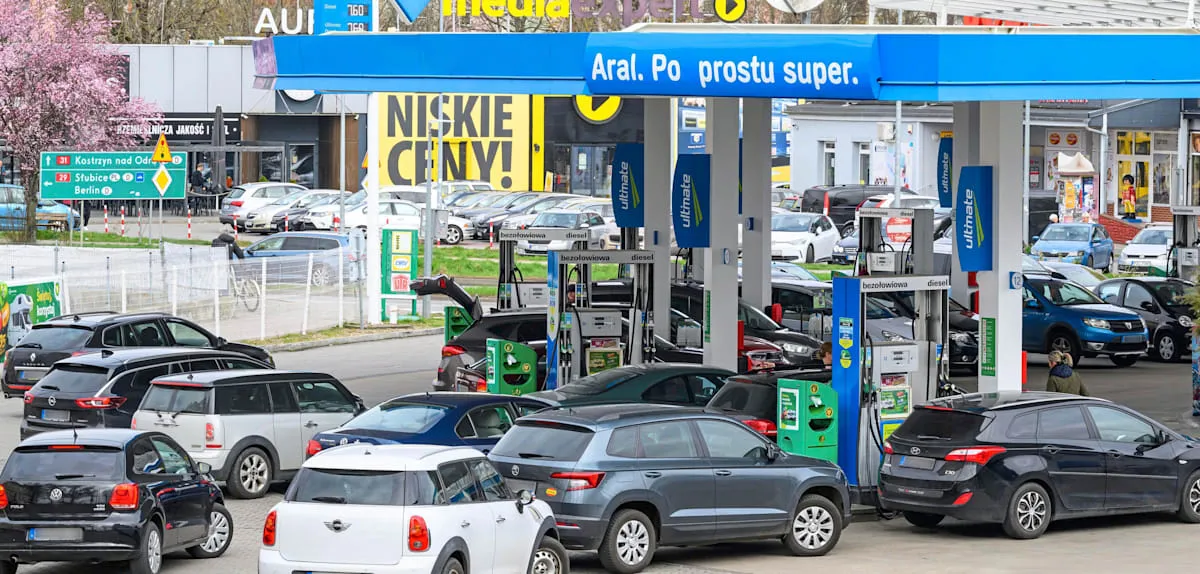
WARSAW – The Polish government in 2026 has surprisingly implemented a progressive fiscal policy by drastically cutting the Value Added Tax (VAT) on petrol and diesel. This significant reduction from 23 percent to just 8 percent immediately caused fuel prices to plummet, offering economic relief to millions of domestic consumers and attracting more tourists amidst rising energy prices in several other European countries.
This revolutionary policy, effective immediately, directly reduces the price of one liter of fuel by 23 Euro cents. The move was warmly received by Polish citizens who have been feeling the pressure from global commodity price fluctuations.
While neighboring countries, such as Germany, are experiencing a surge in fuel prices, especially ahead of school holidays, Poland has taken a contrasting path. The Warsaw government argues that this decision is a strategic effort to stabilize the purchasing power of its citizens and maintain national economic growth.
This VAT reduction is not merely populist but part of a broader macroeconomic strategy. Its aim is to curb inflation that could burden households, and to provide incentives for the transport and logistics sectors, which heavily rely on stable fuel prices.
Enthusiasm was evident at various petrol stations across the country. Vehicle queues, though not chaotic, indicated the public's quick response to the new, more affordable prices. Many citizens expressed their appreciation for the government's move, which they consider pro-people.
With a striking price difference, Poland is predicted to become a more attractive destination for tourists, particularly from neighboring countries. Travelers can now enjoy more efficient travel costs, potentially boosting the tourism sector's revenue which had previously been sluggish.
The macroeconomic implications of this policy are expected to provide a significant stimulus to domestic consumption. With lower transportation costs, people have more funds to allocate to other sectors, stimulating the economy and preventing recession.
Poland's decision is likely to trigger a heated discussion among other European Union member states. Some countries may view it as a positive precedent worth emulating, while others might be concerned about potential market distortions or the impact on national revenue.
Despite numerous benefits, this policy is not without its challenges. The Polish government must be prepared for a potential decrease in national revenue from the tax sector. Furthermore, there is a risk that this policy is only temporary and global price pressures will rise again in the future.
A spokesperson for the Polish Ministry of Finance, who wished to remain anonymous, stated, 'We prioritize the welfare of our citizens and economic competitiveness. This step is a careful response to global market dynamics and our domestic needs.'
This policy contrasts with several countries that chose to maintain VAT or even increase it for fiscal purposes. Warsaw's decision demonstrates courage in taking an unconventional economic step for the benefit of its people.
Economic analysts predict that the long-term effects of this policy will heavily depend on global crude oil price stability and the responses of other nations. However, for now, Poland has successfully created a tangible positive effect for its citizens.
Editorial Insight: Poland's bold move to cut fuel VAT is a clear signal that the government prioritizes protecting its citizens' purchasing power amidst global inflationary pressures. While potentially reducing state revenue in the short term, this strategy could become a model for other countries in responding to the cost of living crisis. The success of its implementation will depend on Warsaw's ability to balance the budget deficit and maintain macroeconomic stability in the coming years.