 Robert Andrison

NEW YORK – Twenty-five years after the deadliest terrorist attacks in United States history, the commemoration of the September 11, 2001 tragedy in 2026 once again stirs the world's collective memory. The incident, which claimed nearly three thousand lives when hijacked commercial airplanes struck the Twin Towers of the World Trade Center in New York and the Pentagon in Washington D.C., continues to leave deep trauma and intense debate, including provocative satirical responses from Germany.
This quarter-century observance is not merely a moment of remembrance, but a long reflection on the changing geopolitical landscape, global security, and individual freedoms. September 11, once an ordinary day, is now etched as a symbol of horror, resilience, and the fight against extremism across the globe.
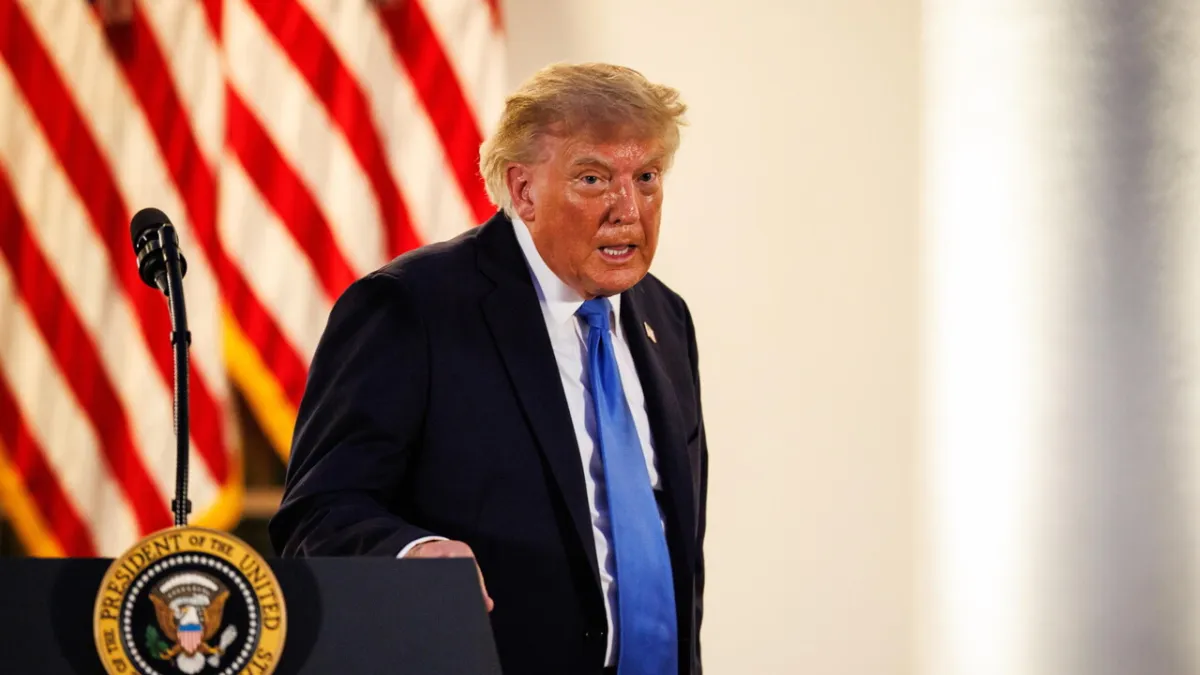
For the United States, 9/11 is a wound that has yet to heal, redefining foreign policy and national defense priorities. The government under President Donald Trump continues to emphasize the importance of security vigilance and the suppression of global terror networks initiated by groups like Al-Qaeda, led by Osama bin Laden.
Amidst the solemn atmosphere of remembrance, a satirical publication in Germany ignited controversy by presenting a provocative viewpoint. The publication, known for its dark humor, illustrated a fictional narrative about what it termed a 'special wellness program' for the masterminds of the 9/11 attacks, including Mohammed Atta, in the afterlife. This response, though satirical, pricked the public conscience about how such tragedies are digested and processed through various media.
Reactions to this satirical publication varied, from condemnation for insensitivity to defense of freedom of expression. Critics argued that the topic of 9/11 is too sacred to be trivialized, while supporters saw it as a way to provoke thought and highlight the absurdity of unimaginable crimes.
The events of 9/11 not only transformed America but also shaped the global response to terrorism. Invasions of Afghanistan and Iraq, increased airport security surveillance, and the emergence of new intelligence agencies are just a few of the direct consequences still felt today.
Interestingly, in Germany itself, debates surrounding 9/11 continue to resonate. The article Debate in Germany on True Perpetrators of 9/11 Continues to Echo in 2026 highlights how various conspiracy theories and questions regarding the actual perpetrators remain topics of discussion in some circles, adding complexity to the narrative surrounding this tragedy. Debate in Germany on True Perpetrators of 9/11 Continues to Echo in 2026.
Furthermore, the United States' military response post-9/11 became a critical case study in national defense. As explored in September 11 Tragedy: Why America Needed Its Military in Its Darkest Moment?, the attacks underscored the urgency of modernization and adaptive defense strategies to confront asymmetric threats. September 11 Tragedy: Why America Needed Its Military in Its Darkest Moment?.
Beyond political and military aspects, 9/11 also left a profound mark on social and cultural structures. Increased Islamophobia, challenges faced by Middle Eastern immigrants, and the narrative of the 'war on terror' have shaped public perception for over two decades.
World leaders, including Indonesian President Prabowo Subianto, often emphasize the importance of a holistic approach to counter-terrorism, not only through military force but also through intercultural dialogue and education to prevent radicalization.
9/11's legacy will continue to be an inseparable part of modern history. Each anniversary is a reminder of the fragility of peace and the strength of human solidarity. From solemn moments at Ground Zero to heated online debates, the world continues to strive to understand and find meaning in the events that changed everything.
Editorial Insight: Commemorations of major tragedies like 9/11 will always spark various forms of expression, from deep sorrow to provocative satirical attempts. As journalism, we are responsible for presenting the facts and context behind such events, while acknowledging that society processes trauma in diverse ways. Satire, though often controversial, can be a reflection of collective unease or an attempt to seek understanding amidst injustice. However, the line between enlightening provocation and insensitivity must always be heeded, especially when it concerns the memory of victims and grieving families.