 Robert Andrison
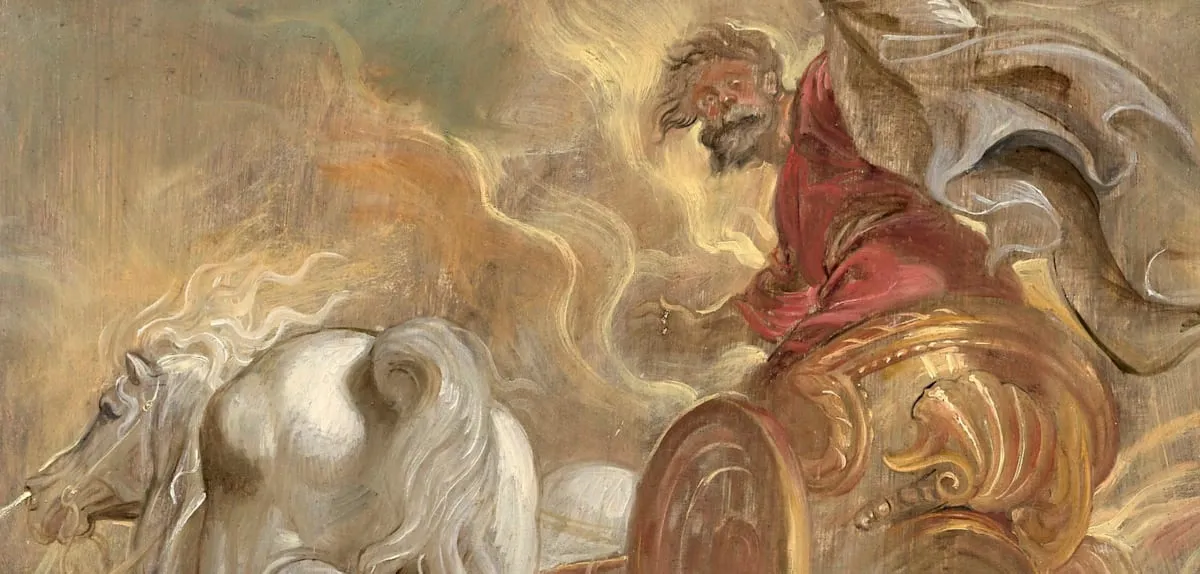
GOTHA – An epic journey of historical art repatriation culminates as five masterpieces by the legendary Flemish Baroque painter, Peter Paul Rubens, have successfully returned to their homeland, the Ducal Museum Gotha, Germany. These five magnificent works, dispersed to Russia, the United States, and Switzerland over centuries, are now finally reunited, marking a significant victory for the preservation of global cultural heritage. This repatriation effort involved long-standing dedication and complex diplomatic negotiations.
These valuable paintings, known to be an integral part of Gotha's art collection since the 17th century, met a tragic fate after World War II and other historical events. Some were sold, others smuggled or vanished amidst global chaos, separating them from their parent collection at Friedenstein Castle, home to the Ducal Museum Gotha. Their long journey across continents has become a legend among art historians.
Peter Paul Rubens (1577-1640) was one of the leading masters of the Baroque era. His works are known for their dynamism, vibrant colors, and dramatic compositions depicting mythological, historical, and portrait themes. The loss or separation of Rubens' paintings is not merely a loss for a museum but also for the global artistic treasury. Each Rubens work holds invaluable historical and artistic significance, reflecting the pinnacle of European fine art achievement.
For decades, the whereabouts of these five paintings remained a mystery. One painting was discovered in the private collection of an American philanthropist, while others surfaced at prestigious auction houses in Switzerland. Two more paintings were even believed to have been held in Russia, adding complexity to their tracing and ownership claims. Each painting followed its own path, weaving a narrative no less dramatic than the subjects depicted on its canvas.
The Ducal Museum Gotha, alongside art foundations and the German government, initiated an extensive search and repatriation operation. This process was not merely a bureaucratic task but a cultural mission driven by the spirit of restoring the integrity of a long-fragmented collection. Thorough research, authentication verification, and careful negotiations were key to its success.
Key challenges included proving legitimate ownership, especially for artworks that changed hands through various unconventional channels during periods of war and political upheaval. International laws on cultural heritage, particularly the 1970 UNESCO Convention, often served as a basis for arguments, yet each case possessed unique aspects requiring specific approaches.
This repatriation did not occur all at once. Each painting returned at different times, with the last one arriving in Gotha in early 2026. The homecoming of each masterpiece was met with joy and became a historic moment for the museum and the city of Gotha. It is not just about the paintings but about restoring a complete historical narrative.
Dr. Timo Trumf, Director of the Ducal Museum Gotha, stated at a press conference, This is a dream come true for us. These five paintings are not just pigments on canvas; they are silent witnesses to history, an inseparable part of Gotha's cultural identity. Their return reaffirms our position as an important center for the preservation of European art.
The international art public widely welcomed this news, seeing it as a positive precedent for other efforts to repatriate cultural artifacts lost due to conflict or illegal trade. The story of Gotha's Rubens serves as an inspiration that with persistence, dispersed cultural heritage can be reunited, transcending geographical and temporal boundaries.
The museum plans to host a special exhibition featuring these five Rubens paintings alongside other fragmented works from the Ducal collection. This exhibition is expected to attract thousands of visitors from around the world, offering a rare opportunity to appreciate the beauty and history behind the repatriation of these masterpieces.
Editorial Insight: The repatriation of the Rubens paintings highlights the complexities of art ownership and the importance of cultural diplomacy amidst global challenges. In the geopolitical dynamics of 2026, nations are increasingly aware of the urgency to preserve and return cultural heritage as an inseparable part of national identity and global civilization. Gotha's efforts could serve as a model for many other museums still striving to locate their lost treasures.