 Dorry Archiles
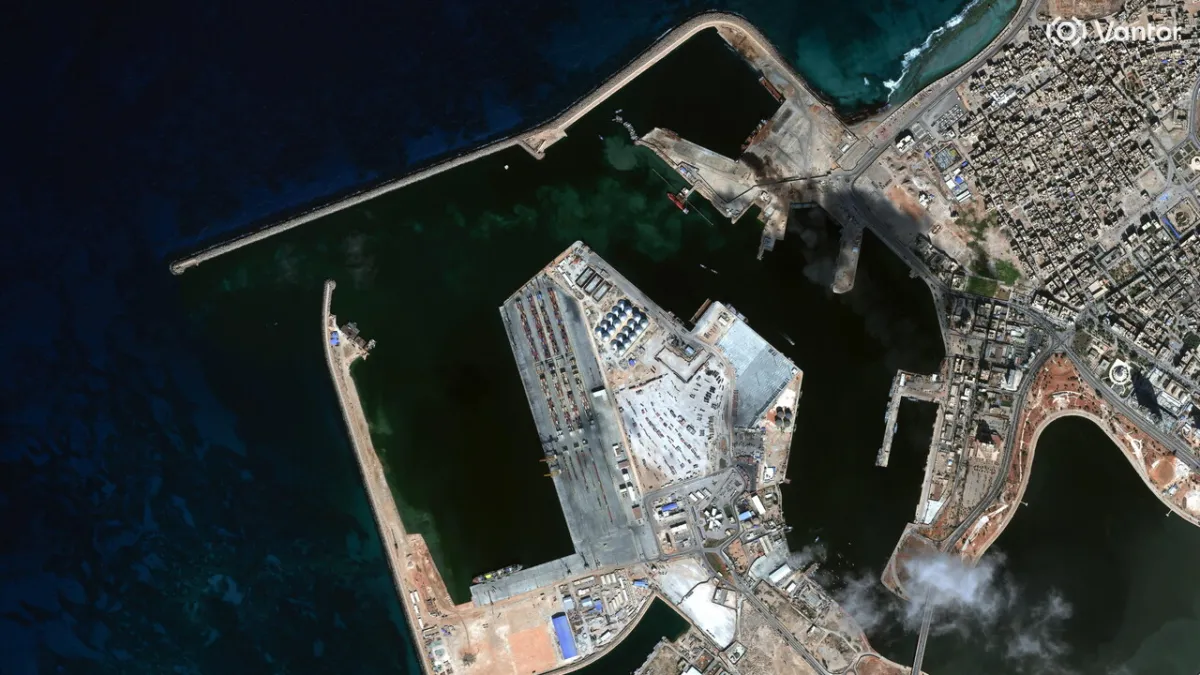
BENGHAZI – A Russian military corvette reportedly suffered a serious incident off the coast of Benghazi, Libya, in the final days of 2026, sparking concerns about the Ukraine conflict spreading to the Mediterranean region. This incident, strongly suspected to involve Ukrainian forces, marks a significant turning point in the dynamics of the war and adds to geopolitical tensions in the strategic area.
News of the attack on the warship emerged from initial reports stating the corvette was docked in Benghazi port when the incident occurred. Although operational details and the nature of the attack are still under investigation, initial claims point to Ukraine as the perpetrator.
Intensive investigations are underway by relevant authorities to ascertain how this attack could have taken place in a port geographically quite distant from the main conflict zone in the Black Sea. This incident effectively brings the war narrative beyond its traditional borders.
Military analysts note that if the claim of Ukrainian involvement proves true, it would be an extraordinary demonstration of Kyiv's capability to project military power across significant distances. It could also indicate the presence of intelligence and logistical networks enabling such an operation.
Since Russia's invasion of Ukraine, the focus of the war has largely been on land and the Black Sea. However, this attack in Benghazi clearly shows that the battlefield can now encompass international waters and areas previously considered relatively safe from the direct impact of the conflict.
Unnamed intelligence sources indicate that this attack might be a response to recent escalation on Ukrainian territory. During the same period, an attack struck a condominium complex north of Kyiv, causing significant casualties, exacerbating existing tensions.
Nevertheless, the international legal implications and diplomatic consequences of an attack on a warship in Libyan territorial waters will be highly complex. Libya, as a sovereign state, will likely demand explanations from the parties involved.
An attack on military assets outside a conventional war zone could set a dangerous precedent for global maritime security. Countries in the Mediterranean region, including NATO and European Union members, will undoubtedly monitor this situation very closely.
Some geopolitical experts argue that this incident could prompt Western countries to more intensively review their policies regarding military aid and conflict oversight. The geographical expansion of the war is a serious concern for global stability.
The Ukrainian government has not yet issued an official statement regarding the Benghazi incident. Meanwhile, Russia is expected to issue a strong response, which could trigger a new round of confrontation in areas previously untouched directly by the conflict.
The context of modern warfare, increasingly reliant on advanced technologies such as drones and artificial intelligence, as seen in Germany's military vision for 2026, adds a new dimension to the military capabilities of warring nations. Long-range precision attacks like this could be part of the evolution of contemporary military strategy.
Editorial Insight: The incident in Benghazi is not merely an attack on a ship, but a warning signal that the front lines of the Ukraine conflict are blurring and expanding. The potential for destabilization in the Mediterranean, a vital trade route and an area of influence for various global powers, is very real. World leaders must act promptly to prevent further escalation, which could drag more actors into the vortex of war. The long-term consequences for maritime security and international law deserve serious attention.