 Angela Stefani
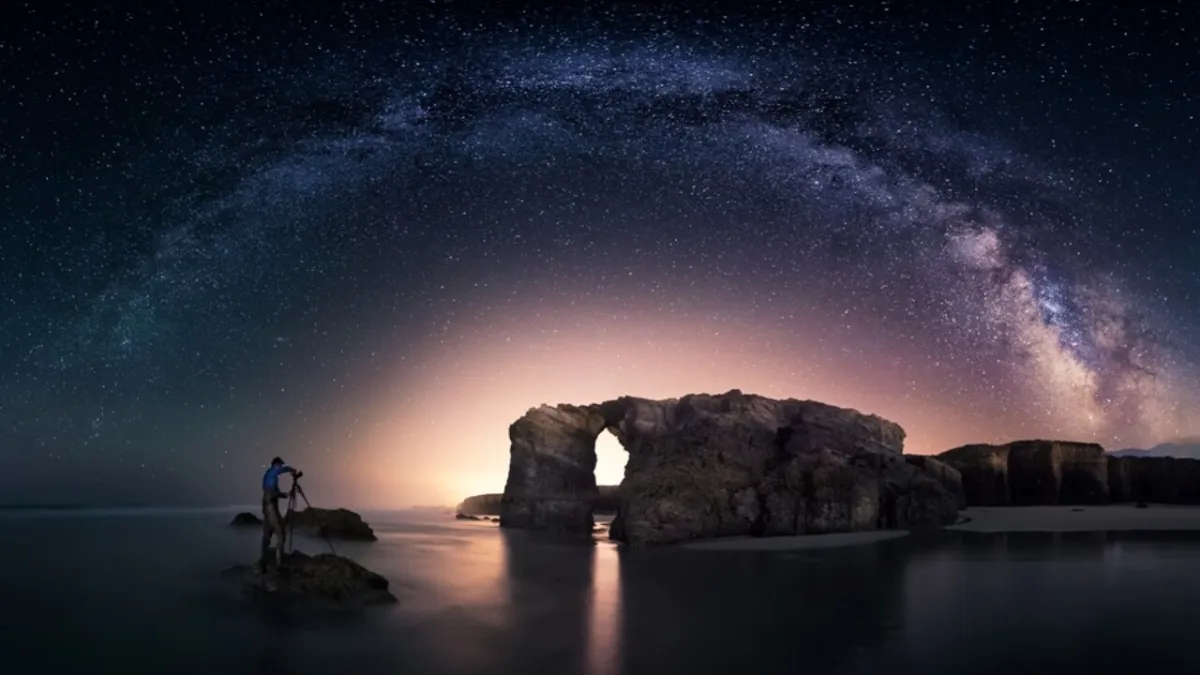
MADRID – Spain is set to be the main stage for one of the rarest and most spectacular astronomical phenomena, a Total Solar Eclipse, projected to occur on August 12, 2026. This stunning celestial event will attract millions of observers, tourists, and scientists from around the world, offering a golden opportunity to witness nature's masterpiece firsthand.
A Total Solar Eclipse happens when the Moon passes directly between the Sun and Earth, completely obscuring the Sun's disk and transforming day into a brief twilight. This phenomenon is not only visually captivating but also provides a unique opportunity for scientists to study the Sun's corona, its outermost atmospheric layer usually hidden by bright light.
Several regions in Spain have been identified as strategic locations for observation. One such place is Galicia, in northwestern Spain, which offers dramatic coastlines and charming rural landscapes. Galicia's natural beauty is expected to add a magical dimension for eclipse observers.
Moving eastward, the Asturias region also promises an equally breathtaking observation experience. With its magnificent Cantabrian Mountains and lush green valleys, Asturias provides a perfect backdrop for the partially darkened sky.
Not only the coast, but the high plains of Castilla y León in the heart of the Iberian Peninsula are also in focus. This region, with its often clear skies and minimal light pollution, is ideal for observing every detail of the eclipse.
For those who desire an eclipse experience over water, the Balearic Islands, including Mallorca and Ibiza, offer a unique perspective from the middle of the Mediterranean Sea. Observation from a boat on the open sea can provide an unobstructed view, an experience sought after by many astronomy enthusiasts.
Spanish tourism authorities have initiated intensive preparations to welcome the influx of visitors. Special eclipse tour packages, accommodation, and safe observation points are being arranged to ensure the best possible experience for all attendees.
A crucial aspect of eclipse observation is safety. Experts continuously emphasize the importance of using ISO-certified eclipse glasses or special solar filters when viewing the Sun. Looking directly at the Sun without adequate protection can cause permanent eye damage.
“A Total Solar Eclipse is a reminder of the grandeur of our universe,” said a leading astronomer from the Madrid Observatory (fictional statement for article purposes). “Opportunities like this do not come every day, and we encourage the public to witness it safely and responsibly.”
This eclipse adds to a long list of celestial phenomena that attract global attention, similar to stargazing experiences in various parts of the world such as discussed in the article Terkuak! Pesona Stargazing Italia, dari Pegunungan Hingga Pantai. This experience is not only for scientists but also for the general public who wish to connect with the wonders of the cosmos.
In 2026, this Total Solar Eclipse is predicted to be one of Europe's most significant tourism and research attractions. The hope for clear weather across the entire eclipse path is key to the success of mass observations.
Local governments and astronomical organizations will collaborate closely to ensure accurate information about the eclipse's timing and locations is widely disseminated, and to provide adequate support facilities at key observation points.
Editorial Insight: The Total Solar Eclipse on August 12, 2026, is more than just a visual spectacle; it is a significant moment for Spain to showcase its natural beauty and its capacity to host international-scale events. Success in crowd management, provision of safety information, and promotion of science-based tourism will be a benchmark for Spain's readiness as a global astronomy destination in the future.