 Gabriella
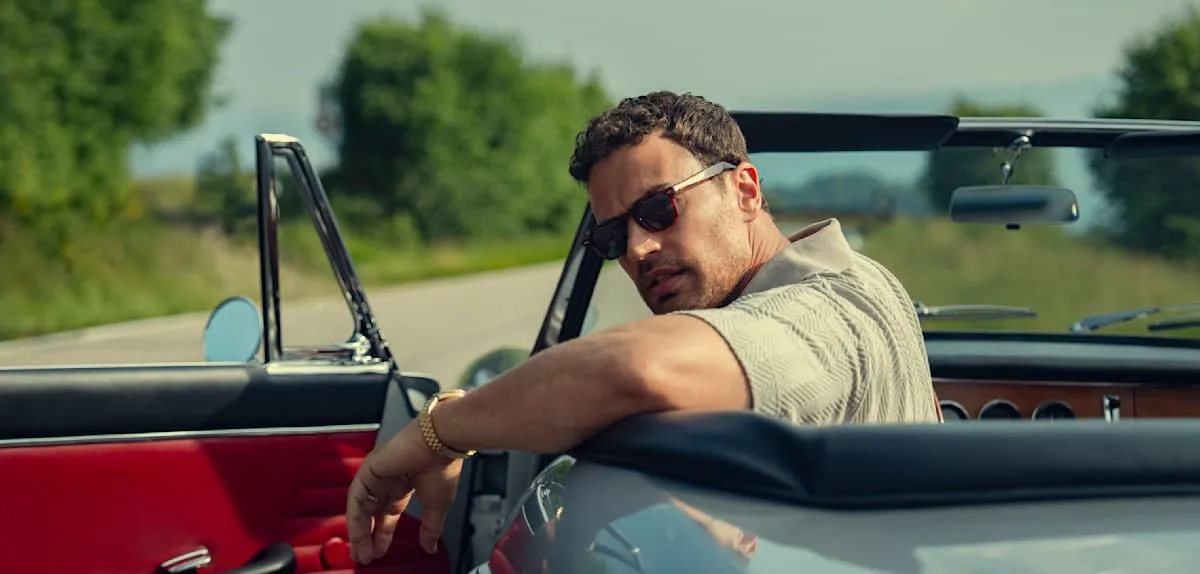
LONDON – A surprising fact has once again come to light in the realm of entertainment and royal family affairs in 2026. Former Hollywood actress now known as Meghan Markle, the Duchess of Sussex, was reportedly a prime candidate for a central role in Guy Ritchies television series, The Gentlemen. This news, initially vague, has now reignited a fierce debate across the United Kingdom regarding the potential and limits of a monarchs role.
Information leaked from Hollywood production circles indicates that Meghan, who was still active in acting before marrying Prince Harry, was highly sought after by Ritchie. The The Gentlemen project itself is known as one of the boldest and most provocative British aristocratic drama series, often featuring sharp intrigue and characteristic dark humor.
When news of Meghans potential involvement first surfaced, public and media responses in the UK were divided. Many were shocked, with some highlighting how unusual it would be for a member of the royal family to participate in a production with such a reputation.
The idea of a Duchess being involved in a series that portrays the wild side of British aristocracy certainly caused a stir, said royal observer Lady Eleanor Vance. This is not just about acting, but also about the image of the institution she represents.
Conversely, some saw Meghans potential in the role as a progressive step. They argued that her strong acting background would bring a new dimension to the character she portrayed, while also showcasing a modern and flexible side of the monarchy.
The Gentlemen series, adapted from Ritchies successful film, is indeed known for its complex characters and clever scripts. Film critics state that the series requires actors with deep interpretive abilities and strong charisma to convey the intended satirical nuances.
However, the big question remains: would Meghan Markle, with all the attributes and expectations attached to her as Prince Harrys wife and Duchess of Sussex, have been the right casting choice or a fatal misstep?
Her involvement in a large-scale film project would have the potential to change the media landscape and public perception of the royal family. It would also reopen discussions about the boundaries between a royal members private life and the professional career they pursued before or outside of monarchical duties.
Although the role ultimately did not go to her—most likely due to her increasing commitments to the royal family—the discussion of what if continues to resonate. This story serves as a reminder of Meghans capacity as an artist and the challenges she faced transitioning from a Hollywood star to a royal figure.
The re-disclosure of this fact in 2026 shows that public interest in the behind-the-scenes stories of Prince Harry and Meghan Markles lives remains very high, especially concerning Meghans professional past before she fully became part of the House of Windsor.
This news also underscores the universal appeal of royal drama, both on and off screen. Meghans potential in The Gentlemen is now one of the intriguing narratives in the modern history book of the British royal family and the entertainment world.
Editorial Insight:
The revelation of Meghan Markles potential role in The Gentlemen is more than just industry gossip; its a reflection of how the line between celebrity and monarchy continues to blur in the modern era. It highlights the dilemma faced by royal family members with strong professional backgrounds before marrying into royalty. This case could set a precedent for discussions on the extent to which a royal can pursue personal interests without damaging the institutions image, a debate likely to remain relevant for the future of the British monarchy. This potential also strengthens Meghans image as a figure who brings change and challenges tradition, regardless of her final decision. This issue will continue to be a topic of conversation, demonstrating the enduring appeal of the intersection of entertainment and aristocracy. It could pave the way for future royals to be more flexible in their public roles, even if the risks are high.