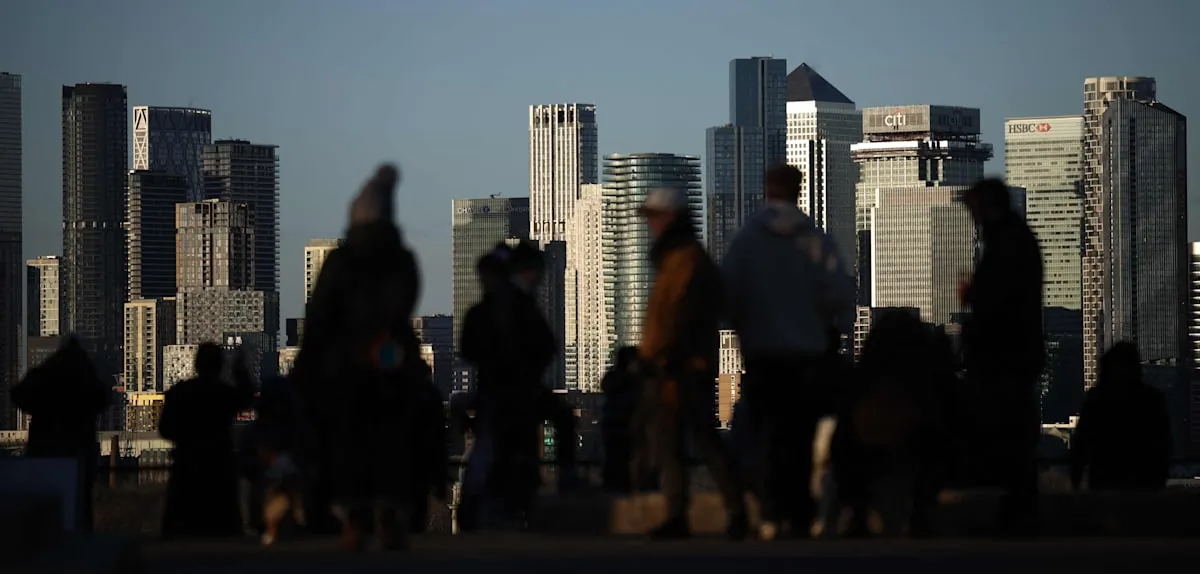
LONDON – Stricter visa policies have pushed migration to the United Kingdom to its lowest point in nearly three decades. This phenomenon, celebrated by the government as a significant achievement, has triggered serious concerns from economic experts regarding its potential negative impact on the labor market and national economic growth. The altered rules have drastically reduced the influx of foreign workers and international students, sparking fierce debate about the future direction of the British economy.
Prime Minister Rishi Sunak's administration has heavily promoted the success of its immigration policies in fulfilling promises to 'control borders' and prioritize the domestic workforce. Recent data indicates a substantial decrease in net migration, an indicator often used by the government to demonstrate the effectiveness of the restrictive measures implemented.
However, the government's euphoria is not shared by a significant number of economists and business federations. They view this drastic drop in migration as a serious alarm. Many vital sectors, ranging from healthcare and hospitality to technology, heavily rely on foreign labor to fill vacancies that cannot be met by the domestic market.
The tightened visa regulations include increased minimum salary thresholds for skilled workers, strict restrictions on dependents of international workers and students, and the abolition of post-study visa routes for postgraduate students seeking employment. These measures are designed to reduce the UK's appeal as a migration destination.
The migration figures recorded today are the lowest since the early 1990s, marking a fundamental shift in the UK's approach to immigration. Throughout that period, the UK, like many other developed nations, attracted global talent to support its economic growth.
The health sector, particularly the NHS (National Health Service), faces severe challenges due to shortages of nurses and doctors. The hospitality and tourism industries are also struggling from a lack of entry-level workers. Even high-tech sectors, which require innovators and engineers from around the world, are beginning to feel the effects.
A migration drop of this magnitude is a recipe for disaster for the UK economy, stated a senior economist from the London School of Economics, who preferred to remain anonymous. We cannot ignore the fact that migrants have filled critical labor gaps and contributed significantly to GDP. Without them, growth will slow, and inflation might even increase due to labor supply shortages.
The government argues that these tightenings are necessary to reduce pressure on public infrastructure, such as housing and healthcare, and to ensure that UK citizens receive priority in the job market. They also believe it will encourage investment in local workforce training and development.
Immigration policy has always been a sensitive issue and often an electoral determinant in the UK. With a general election approaching, this 'net zero migration' policy serves as a trump card for the ruling party to attract votes from constituents desiring tighter border controls. However, the long-term economic risks could backfire.
Similar debates about migration policy are also echoing across continental Europe. Several countries, including Germany, face comparable dilemmas between economic needs and political pressure to control inflows. Efforts like the controversial Rwanda Plan, once proposed by some politicians, reflect the complexity of this global issue. For further study on similar policies, you can read our article on Habeck dan Dilema Moral: Rencana Rwanda, Harga Mati Inaksi Politik?.
Currently, the UK stands at a crossroads. The decision to prioritize migration reduction over long-term economic needs could shape the country's landscape for years to come. The tension between political promises and economic realities is becoming increasingly apparent, demanding careful balance from policymakers.
Editorial Insight:
Extreme immigration policies, though often politically popular in the short term, frequently bring unforeseen economic consequences. For the UK, this move risks triggering a labor crisis in key sectors, hindering innovation, and stifling growth. The real challenge is how the government can meet labor demands while upholding its political commitments, a difficult balance to strike without a comprehensive strategy.