 Edward DP Situmorang

BERLIN – Intense debate on Germany's fiscal policy has erupted after a young Green Party politician, Tobias Müller, publicly denounced the government's massive accumulation of debt. He argues that this policy unfairly burdens the financial future of Generation Z. This criticism emerges amidst public and business sector skepticism regarding the effectiveness of reforms implemented by the ruling coalition in mid-2026.
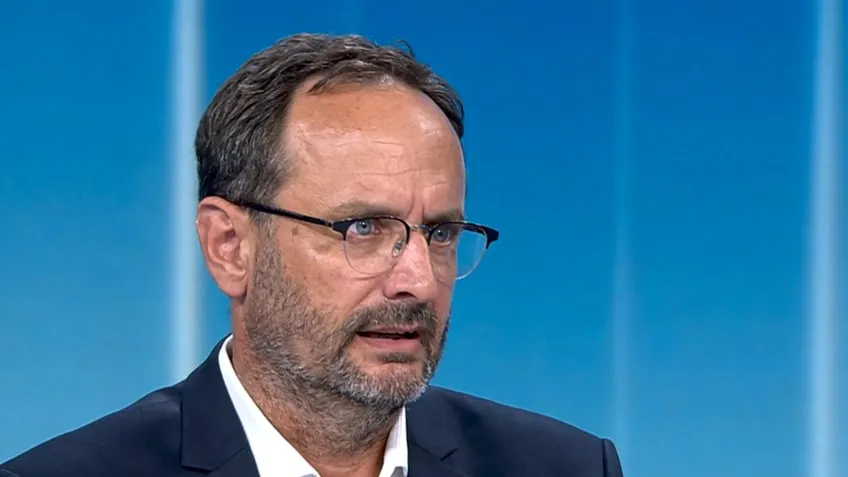
Müller, representing the voice of youth in Germany's political landscape, expressed his deep concerns during a public discussion broadcast by senior journalist Sarah Tacke. 'My money is being gambled away,' he stated, illustrating how government debt policies directly impact the economic potential and quality of life for future generations. His perspective highlights the long-term financial burden that young people must bear.
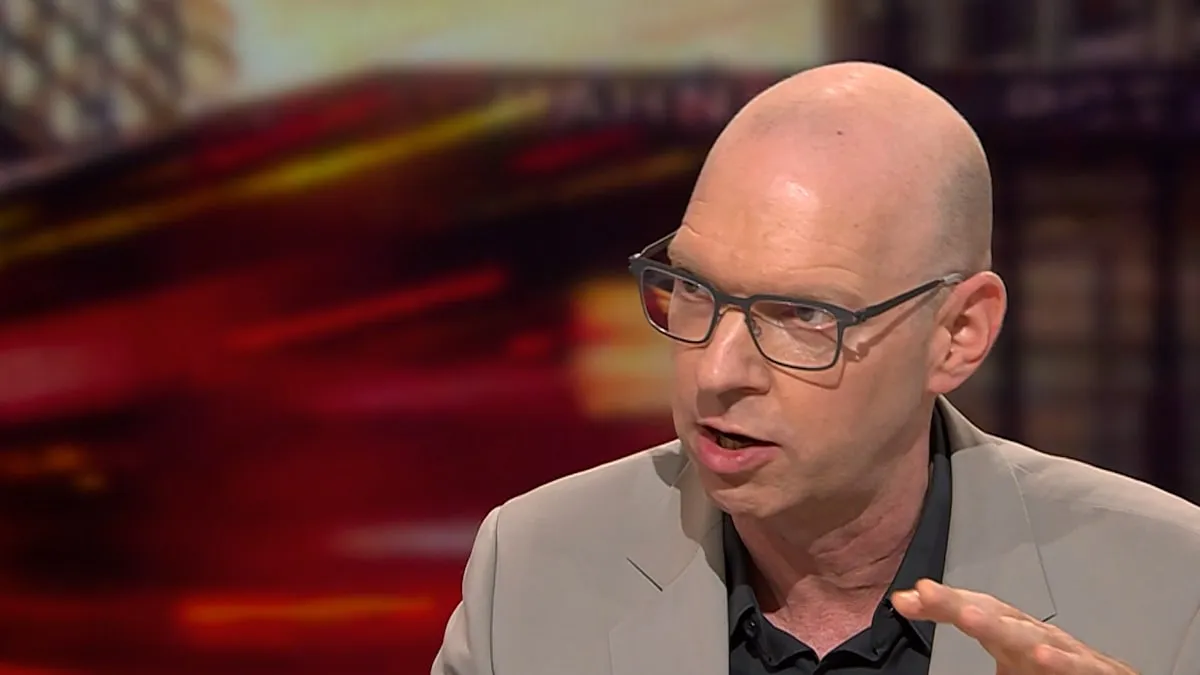
Dissatisfaction with Germany's economic direction is not limited to young politicians. A medium-sized business owner, Sabine Fischer, echoed similar skepticism. During the same occasion, Fischer candidly stated that she no longer believes in the success of reforms championed by the ruling 'black-red' (Schwarz-Rot) coalition. This view reflects sentiment within the business sector, which directly experiences the impact of national economic policies.
The governing coalition, currently referring to the partnership between conservative and social democratic parties, faces significant challenges in convincing the public. The reforms introduced, intended to spur economic growth and fiscal stability, have instead been met with cynicism. Criticism from SMEs, the backbone of the German economy, serves as an important indicator of the prevailing uncertainty.
In a surprising turn, a senior politician from the Christian Democratic Union (CDU), Thomas Weber, expressed views contrary to the current Chancellor's policies. This statement indicates internal divisions even within the coalition, adding complexity to national political dynamics. Such disagreements highlight a lack of strategic consensus within the government.
The soaring national debt has become a central point of contention. Latest data from early 2026 show a significant increase in Germany's debt-to-GDP ratio, fueling concerns about fiscal sustainability. Economists warn that without decisive consolidation measures, long-term economic stability could be jeopardized.
Müller's criticism from the Green Party specifically targets the burden placed on Generation Z. He emphasizes that public debt is not merely a figure in financial reports but a heavy legacy that limits the choices and opportunities of young people in the future. Education, infrastructure investment, and innovation could be hampered by budget allocations dominated by debt repayments.
The debt issue is not new. Throughout 2025, debates surrounding Germany's public transport budget also intensified, showing how fund allocation becomes a point of friction between federal and state levels. Such disputes exacerbate public perception of the government's ability to manage state finances effectively.
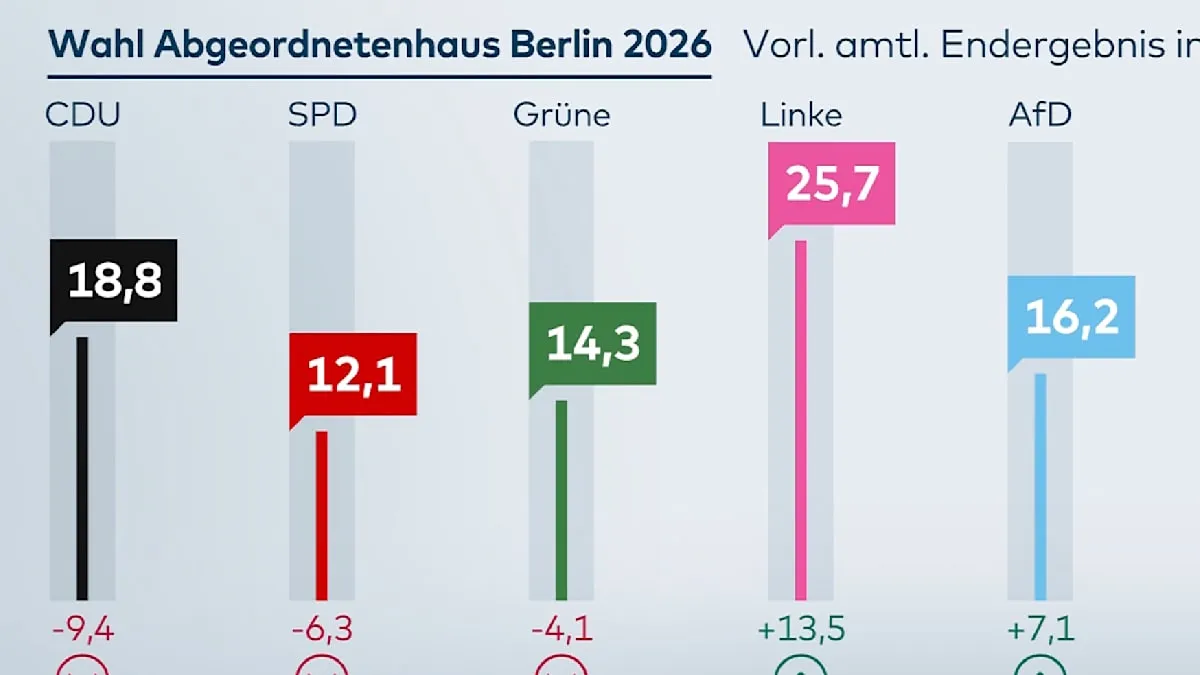
German political developments also indicate fluctuations in public support. The surging strength of the AfD leading into 2026 is clear evidence of a shift in voter sentiment, with the conservative coalition increasingly cornered. This situation adds pressure on major parties to demonstrate concrete responses to economic problems.
The German government under Chancellor Olaf Scholz continues to strive for a balance between investment needs and fiscal obligations. However, calls from various parties for more transparent and responsible policies are growing stronger. This discussion involving Sarah Tacke provides an important platform for articulating diverse views that shape public opinion.
Tobias Müller's criticism reflects a widespread unease among young generations across Europe, who feel that the economic legacy they are inheriting is deteriorating. They demand greater fiscal accountability from current political leaders to ensure long-term stability and prosperity.
Editorial Insight:
This situation marks a crucial point for Germany's economic politics. Divisions within the coalition, dissatisfaction from business actors, and protests from the younger generation illustrate the significant challenges the government must address. If not handled seriously, the questioned debt burden could trigger a deeper erosion of public trust and even potentially disrupt social stability in the future. Realigning fiscal priorities and fostering inclusive dialogue are key to alleviating these tensions.