 Stefani Rindus
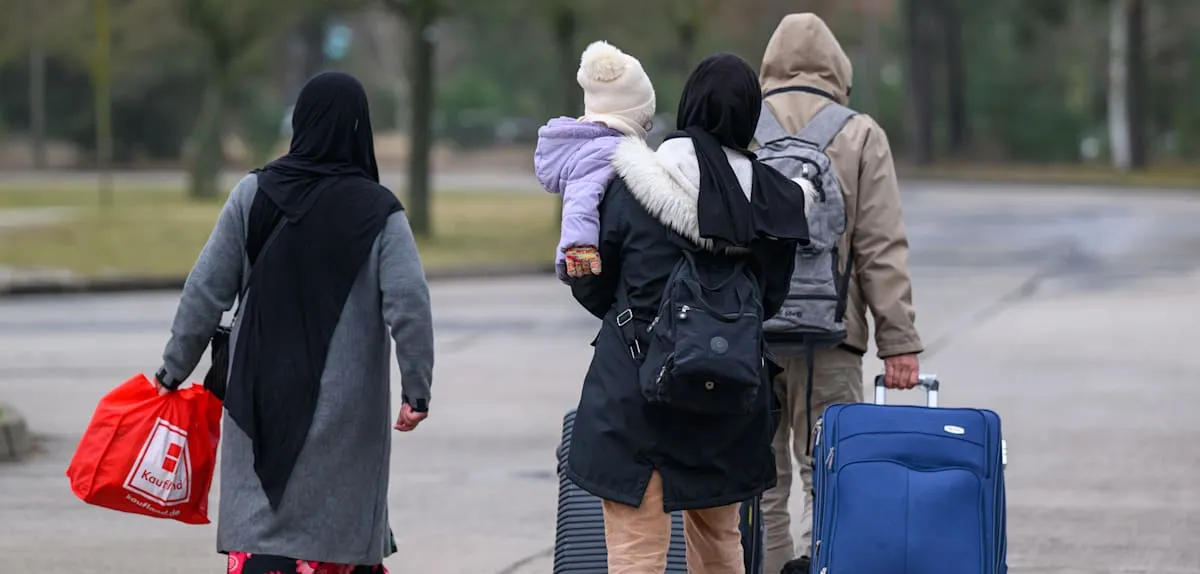
Brandenburg — The number of non-German citizens in the state of Brandenburg nearly tripled over the last decade, reaching 211,500 individuals by the end of 2024 from 68,000 in 2014. This phenomenon, deemed a 'structural foundation' for the state, has been partly driven by a high number of international students, though challenges related to salary disparities persist for this group.
This drastic increase underscores a significant demographic transformation in Brandenburg. Within just ten years, the number of individuals without a German passport grew by 211%, indicating robust migration dynamics and the region's appeal as a new destination for immigrants. This data reflects a changing social and economic landscape that requires serious attention from both local and federal authorities.
The regional government views this surge in the foreign population as a vital 'structural foundation'. This statement reflects an acknowledgment of their crucial role in filling labor shortages, supporting economic growth, and revitalizing demographics in certain areas. Their presence is considered essential for maintaining the sustainability of industrial and public service sectors in Germany, especially in Brandenburg.
One of the primary drivers of this growth is Brandenburg's attractiveness to international students. The state even records a nationwide top value for the number of foreign students, indicating a conducive educational quality and academic environment. These students bring expertise, fresh perspectives, and significant contributions to innovation and research.
However, behind the narrative of growth and contribution, there is another aspect that warrants attention: differences in salary conditions. Although Brandenburg has successfully attracted many foreign talents, data indicates that income prospects for those without German citizenship often "look different" compared to native citizens. This disparity raises questions about equitable economic integration.
This salary gap can potentially be attributed to various factors, including language barriers, lack of recognition for educational qualifications from their home countries, or concentration in specific, lower-paying job sectors. Understanding the root causes of this issue is crucial to ensure that integration occurs not just demographically, but also economically and socially.
The contextualization of this phenomenon extends beyond Brandenburg. The issue of migration and the integration of foreign labor is a shared challenge across Europe. As seen with the increasing global concerns about migrant flows, for instance, as highlighted in the news Threat of Migrant Flows 2026: Dobrindt Urges Physical Borders at EU Frontie, Germany also continues to grapple with balanced policies.
Federal and state governments in Germany are continuously striving to design comprehensive integration policies. These include language learning programs, job search support, and more efficient qualification recognition procedures. The main goal is to ensure that every individual, regardless of origin, can contribute fully to society and the economy.
Economically, the presence of the foreign population provides a significant boost. They fill labor market gaps, especially in sectors experiencing shortages of skilled workers, and stimulate consumption. Their contributions are measurable not only in statistics but also through the diversity of innovation and entrepreneurial spirit they bring.
The social impact of this population increase is also multidimensional. While bringing cultural richness and global perspectives, integration requires ongoing dialogue and intercultural understanding. The goal is to create an inclusive and cohesive society where all citizens feel welcome and have equal opportunities.
Looking ahead to 2026, the trend of foreign population growth in Brandenburg is likely to continue. This demands dynamic policy adaptation, not only to attract global talent but also to fully optimize their potential. Successful integration will be a crucial benchmark for Germany's demographic and economic future.
Thus, the increase in Brandenburg's foreign population is a double-edged sword: a great opportunity to strengthen structural and economic foundations, yet also a challenge to ensure fairness, equality, and social cohesion. Prudent policy responses will determine whether the full potential of this 'structural foundation' can be optimally realized.