 Angela Stefani
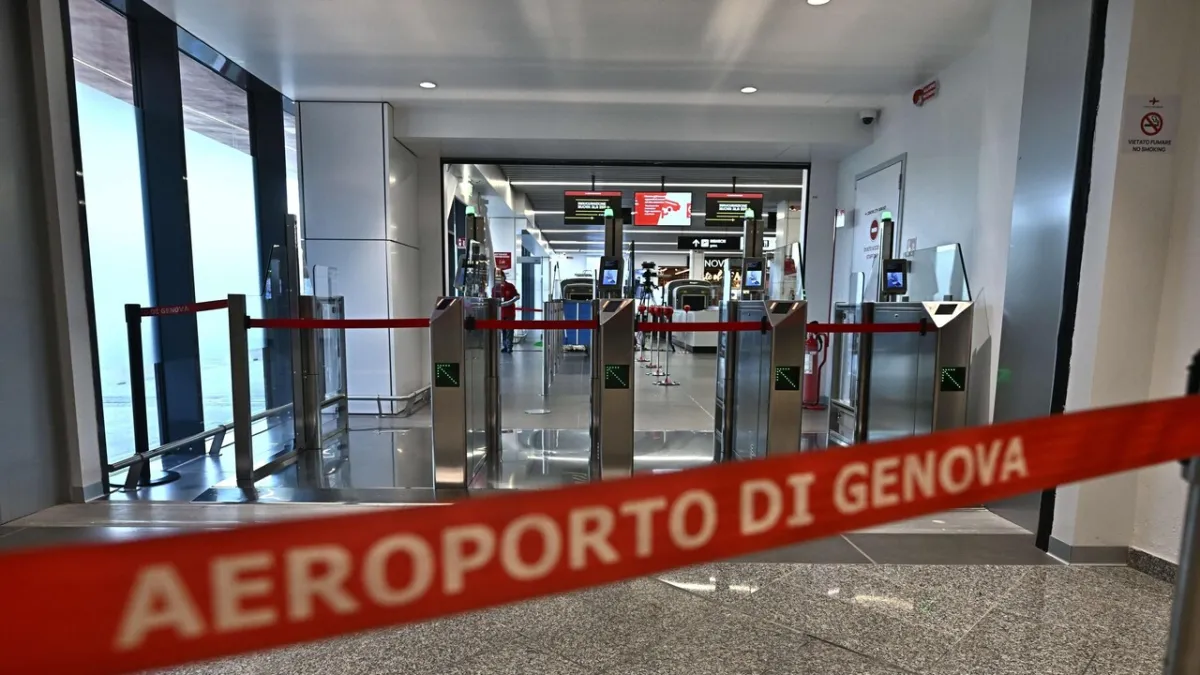
GENOA – Cristoforo Colombo International Airport in Genoa, Italy, experienced a two-hour paralysis of flight operations on Thursday evening, 2026, following the sighting of a mysterious drone in the airport's airspace. The incident, which occurred between 8:10 PM and 10:00 PM local time, forced authorities to halt all take-offs and landings, sparking serious concerns about flight security and disrupting hundreds of passengers.
The decision to close the airport suddenly was taken as a preventive measure. The presence of unidentified flying objects, particularly drones, near safe flight zones is considered a potential threat that could endanger commercial aircraft and public safety.
Official sources from Genoa Airport management confirmed that the closure was strictly enforced. All incoming flights were diverted to nearby airports or had to delay their landings, while outgoing flights ready for departure were forced to remain on the tarmac.
This brief but crucial closure triggered various reactions from passengers. Some expressed frustration over the unexpected delays, while others understood the necessity of strict security measures for collective safety. Similar incidents often become sensitive issues in the aviation sector.
Joint teams from the Italian police and air traffic control authorities immediately launched an in-depth investigation to identify the source of the drone and those responsible. They are working hard to track the drone's whereabouts and ascertain who was behind the illegal flight in the restricted area.
Drone incidents near airports are not a new phenomenon, but their frequency has been increasing with the growing popularity of drone use by the public. Strict regulations have been imposed in many countries to prevent drones from flying near airports, yet enforcement remains a significant challenge.
In the European Union, including Italy, specific regulations prohibit the operation of drones near airports and restricted airspace without special permission. Violations of these rules can lead to substantial fines or criminal charges, given the potential risks posed to air traffic and critical infrastructure.
Although the closure only lasted two hours, its impact was significant on flight schedules. Several domestic and international routes experienced delays, causing a domino effect on flight connectivity in the region. Hundreds of passengers had to await further information regarding their departures, adding logistical complexity for airlines.
Civil aviation authorities worldwide constantly emphasize the importance of public awareness regarding the dangers of flying drones in sensitive areas such as airports. Continuous education is needed to ensure drone users understand their limitations and responsibilities, as well as the potential legal consequences for violators.
This event once again highlights the urgency of investing in more advanced drone detection and countermeasure technologies. Specialized radar systems, acoustic sensors, and radio frequency technologies are currently being developed to detect and even neutralize infringing drones without endangering airport operations or posing additional risks.
Editorial Insight: The incident at Genoa Airport in 2026 is not merely a routine flight delay, but a serious alarm for the security of vital global infrastructure. The presence of unidentified drones in airport airspace indicates a gap in detection systems and law enforcement against increasingly complex asymmetric threats. Moving forward, governments and aviation authorities must be more aggressive in integrating advanced anti-drone technology and strengthening inter-agency coordination. Without proactive steps, the risk of similar incidents, with potentially far greater consequences, will continue to loom over the world's skies and threaten the stability of air travel.