 Angel Doris
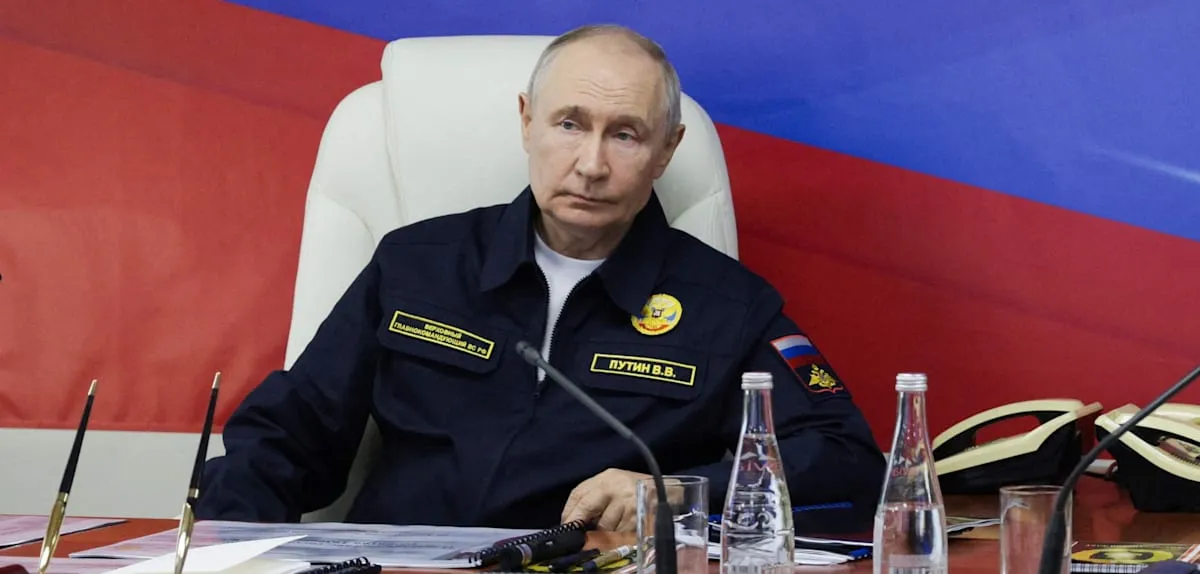
BRUSSELS – Geopolitical tensions in Europe have escalated following decisive actions by several European Union nations to intercept and impound numerous vessels identified as part of Russia's shadow fleet. These ships are strongly suspected of violating international sanctions by transporting oil, provoking extreme anger from Russian President Vladimir Putin. The Kremlin leader is reportedly furious and has openly issued serious threats of retaliation against the European Union, further destabilizing an already fragile global security landscape.
These interception incidents occurred at several strategic points in European shipping lanes, involving tanker ships flying third-party flags allegedly affiliated with Russian entities. European maritime authorities found strong evidence that these vessels were operating outside the framework of sanctions imposed after Russia's invasion of Ukraine, particularly regarding price caps and export volumes for oil.
The European Union governments have consistently emphasized the importance of enforcing sanctions as a diplomatic tool against Moscow. Restrictions on the energy sector, which forms the backbone of the Russian economy, are a key pillar of this policy. These interception actions manifest the EU's commitment to ensuring full compliance with the sanctions regime.
The phenomenon of the 'shadow fleet' has become a major concern for Western intelligence. It refers to a network of old tanker ships, often flying dual or obscure flags of convenience, used by Russia to transport oil and other commodities without passing through official trade channels or adhering to G7-imposed price limits. The existence of this fleet complicates tracking and sanctions enforcement efforts.
From Moscow, President Putin expressed deep anger over what he termed 'provocative and illegal actions' by European nations. In an official statement broadcast on state television, Putin firmly declared, Any hostile actions against our assets will receive a proportionate response. The European Union must understand the consequences of such interventions. The threatening tone indicates a significant escalation of tensions.
Russia's threats of retaliation could manifest in various forms. Some analysts speculate about potential disruptions to energy supplies to European nations still dependent on Russian gas via alternative routes, or even cyber-attacks against vital infrastructure. Economic counter-sanctions also cannot be ruled out, given the long history of using economic instruments in geopolitical conflicts.
The interception of these vessels demonstrates the EU's increasingly aggressive stance in prosecuting sanctions violations. Previously, sanctions enforcement efforts often faced challenges due to the complexity of trade routes and sophisticated sanctions evasion schemes. This move is a clear signal that the EU will not tolerate illegal activities that undermine the effectiveness of its sanctions.
This event deepens the chasm of tension that has existed between Russia and the West since the annexation of Crimea in 2014, and especially after the full-scale invasion of Ukraine. The conflict in Ukraine has triggered the most comprehensive series of sanctions in modern history, aimed at crippling Russia's war capabilities. For further context on Russia's military situation, readers can refer to our article titled Russia's Military Decline: World War II Era Tanks Deployed, West Notes Setbacks.
Geopolitical experts warn that Putin's threats are not mere rhetoric. History shows that the Kremlin often follows through on diplomatic threats with tangible actions. The potential for escalation in maritime routes, where most global trade occurs, could have serious implications for economic stability and international security.
Global energy markets reacted cautiously. Crude oil prices showed fluctuations, reflecting concerns about future supply disruptions. Investors and market participants are closely monitoring these developments, given the vulnerability of energy supply chains to geopolitical shocks.
The United States, under the leadership of President Donald Trump, has consistently supported its European allies' efforts to pressure Russia. Despite differences in approach, Washington and Brussels remain united in their objective to pressure the Kremlin through economic sanctions. This demonstrates a united Western front in facing challenges from Moscow.
Amid Putin's threats of retaliation, the European Union is expected to remain firm in its stance. Maritime law enforcement and sanctions are cornerstones of their foreign policy. Domestic pressure from member states also demands a firm stance against violations of sovereignty and international law.
This situation also highlights the vulnerability of the global shipping system to conflict. Incidents in the Red Sea and increased illegal maritime activity show that control of sea lanes is becoming increasingly important and challenging. The naval and coast guard forces of European nations are now being tested in maintaining stability and security.
The world awaits concrete steps from both sides. Will Putin's threats lead to real actions that trigger further escalation, or will diplomatic pressure find a resolution? This question remains at the forefront of world leaders' attention.
Editorial Insight: The interception of Russia's 'shadow fleet' by the European Union marks a new chapter in the economic and geopolitical confrontation. President Putin's anger is not trivial, and his threats of retaliation must be taken seriously. This could be the beginning of a deeper spiral of escalation, potentially disrupting global energy market stability and creating new uncertainties in international relations. The EU's move, while risky, reaffirms their commitment to sanctions, but also opens avenues for Russia to find new loopholes or provoke non-conventional reprisals.