 Chris Robert
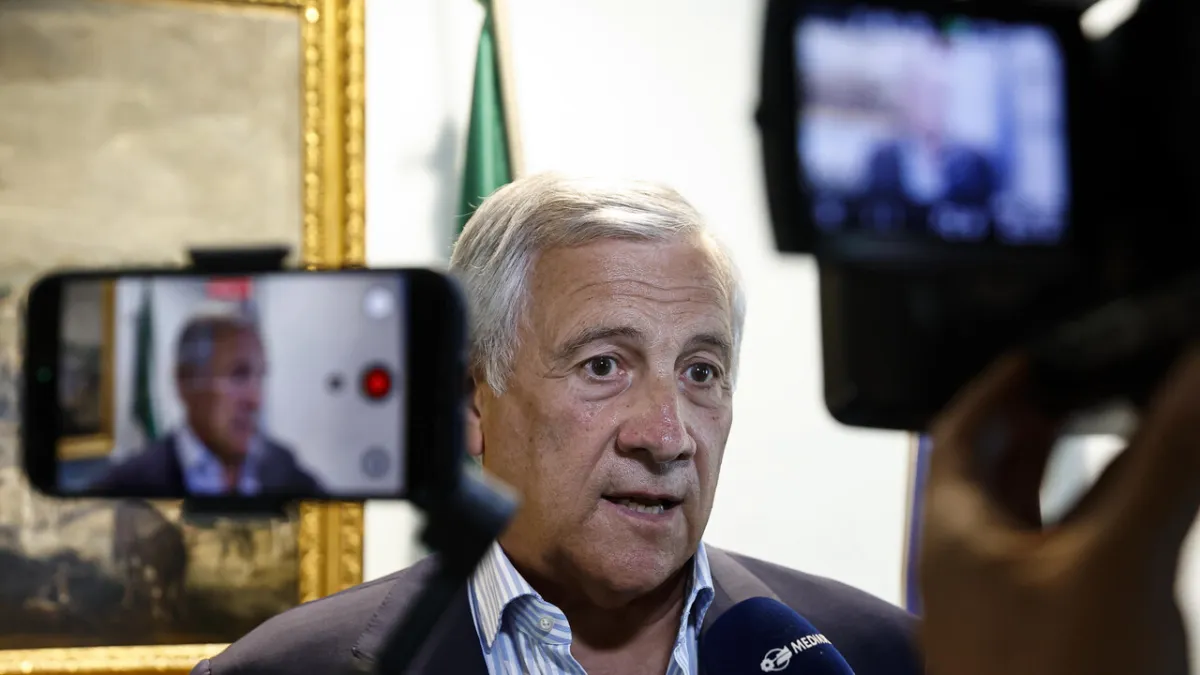
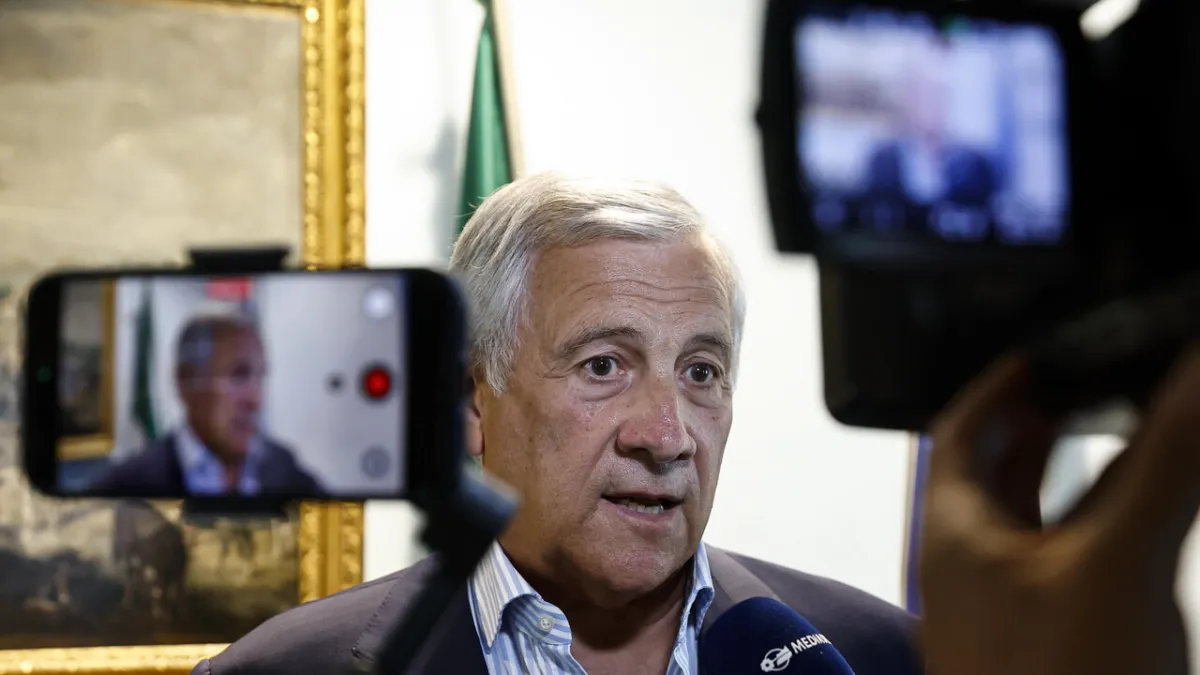
ROME – Italian Foreign Minister Antonio Tajani issued a serious warning regarding potential Russian interference in Italy's electoral process. This warning follows intelligence reports and international media analyses, including from the Financial Times, highlighting Russia's efforts to influence the European political landscape. However, Tajani's view was met with a nonchalant response from Italian Deputy Prime Minister Matteo Salvini, who considers anti-Russian anxieties to be exaggerated. This incident has sparked a fierce debate about democratic security and political stability in Europe ahead of crucial elections.
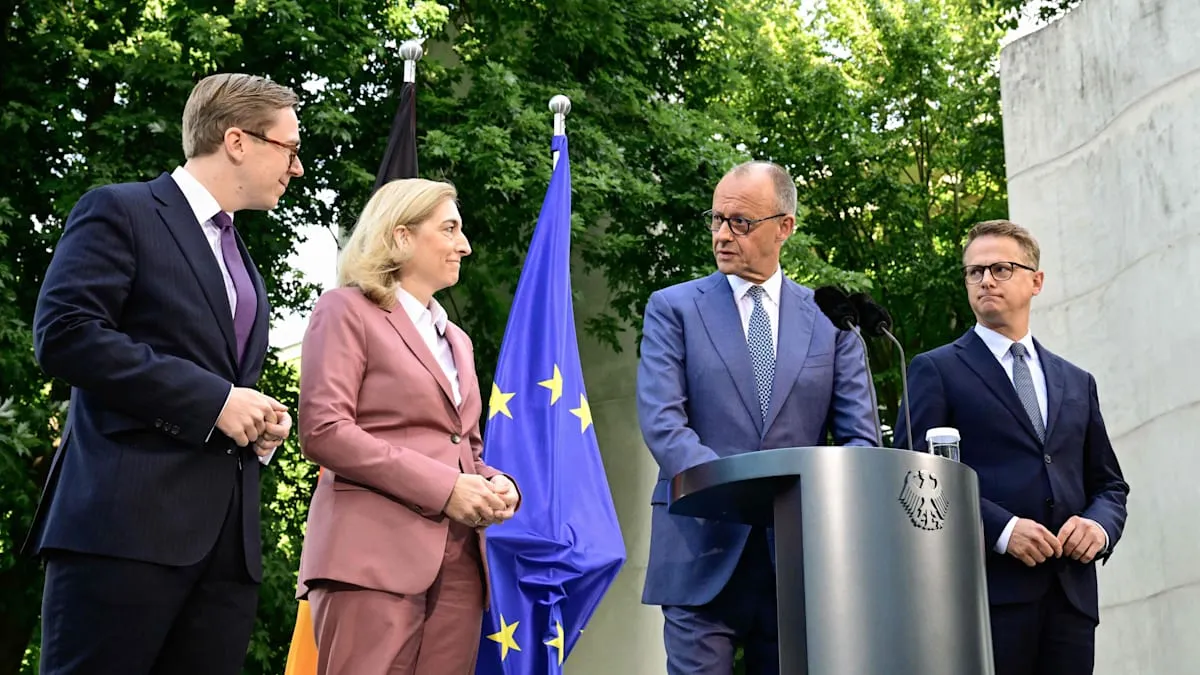
Tajani, who also serves as the National Coordinator of Forza Italia, affirmed the 'risk of interference' from external parties, specifically mentioning Russia. He stated that Moscow potentially seeks to influence public opinion and election results through various means. 'We must be vigilant against all forms of meddling that could undermine the integrity of our democratic process,' Tajani said in a recent statement. He emphasized that this is not the first time such concerns have arisen in other European countries.
Conversely, Matteo Salvini, leader of the League party and a key figure in the ruling coalition, adopted a cooler stance. Salvini dismissed the notion of an 'anti-Russian anxiety' that needed excessive concern. 'I don't see any Trojan Horse here. We don't need to be overly anxious about Russia; we have bigger problems to deal with,' Salvini said, dismissing reports that suggested General Roberto Vannacci's alleged role as a 'Moscow Trojan horse'.
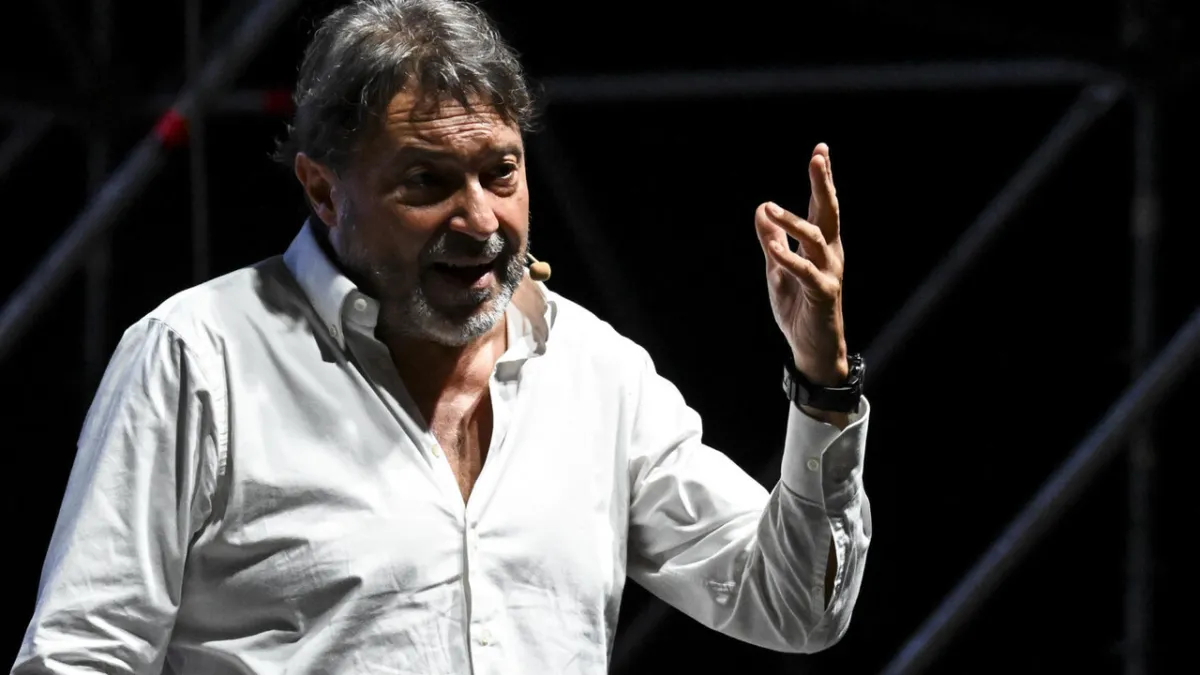
The Financial Times report suggested that General Roberto Vannacci, known for his controversial views, was identified as a potential 'Moscow Trojan horse.' This designation reflects the alleged use of individuals with views aligned with Russian interests to spread influence in the domestic political arena. Vannacci himself reacted to the report with irony, stating, 'I expected more from them,' implying that the accusations lacked substance.
Concerns about Russian interference are not new in Europe. Several countries have reported disinformation campaigns, cyber attacks, and financial support for political parties or figures deemed pro-Kremlin. The primary goal of this interference is often to weaken EU and NATO unity, and to create polarization within societies.
This situation in Italy is inseparable from the broader geopolitical landscape of Europe. Various European intelligence agencies have heightened their alert level against hybrid threats from Russia. These include cyber operations, propaganda, and political destabilization efforts targeting EU member states. Europe itself is on high alert against Russia's hybrid threats that destabilize the region, with Kremlin assets being targeted.
Indeed, Tajani has previously expressed similar concerns. He even specifically alluded to the potential threat of Russian interference in the 2026 Italian elections some time ago, indicating that this issue is not just momentary speculation but an ongoing concern.
The difference in views between Tajani and Salvini reflects a rift within Italy's governing coalition regarding how to address foreign influence, especially from Russia. The more pro-European and trans-Atlantic factions tend to be more vigilant, while nationalist or populist factions tend to adopt a more pragmatic or skeptical approach to such threats.
This polarization has the potential to confuse voters and erode public trust in the democratic process. Clear information and firm stances from leaders are crucial to maintaining electoral integrity and national sovereignty.
Given that Italy will face several important electoral agendas in the near future, including potential general elections, the issue of foreign interference becomes even more critical. The legitimacy of election results will be at stake if there is evidence of significant meddling.
Will Italy take more protective measures for its democratic infrastructure, or will Salvini's skeptical view prevail? This question is at the core of a strategic debate that will shape Italy's political future and its position in Europe.
Editorial Insight: The friction between Antonio Tajani and Matteo Salvini highlights a crucial challenge facing Italy and the European Union in preserving their democratic sovereignty. With the 2026 elections approaching, the risk of foreign interference, particularly from Russia, is no longer mere speculation but a real threat that demands consensus and a solid defense strategy. Salvini's dismissal can be interpreted as an attempt to defuse domestic political tensions or to minimize the weight of an external threat widely believed by most Western intelligence agencies. Italy's response to this threat will be an important barometer for the resilience of European democracy amidst an increasingly complex global geopolitical dynamic.