 Edward DP Situmorang
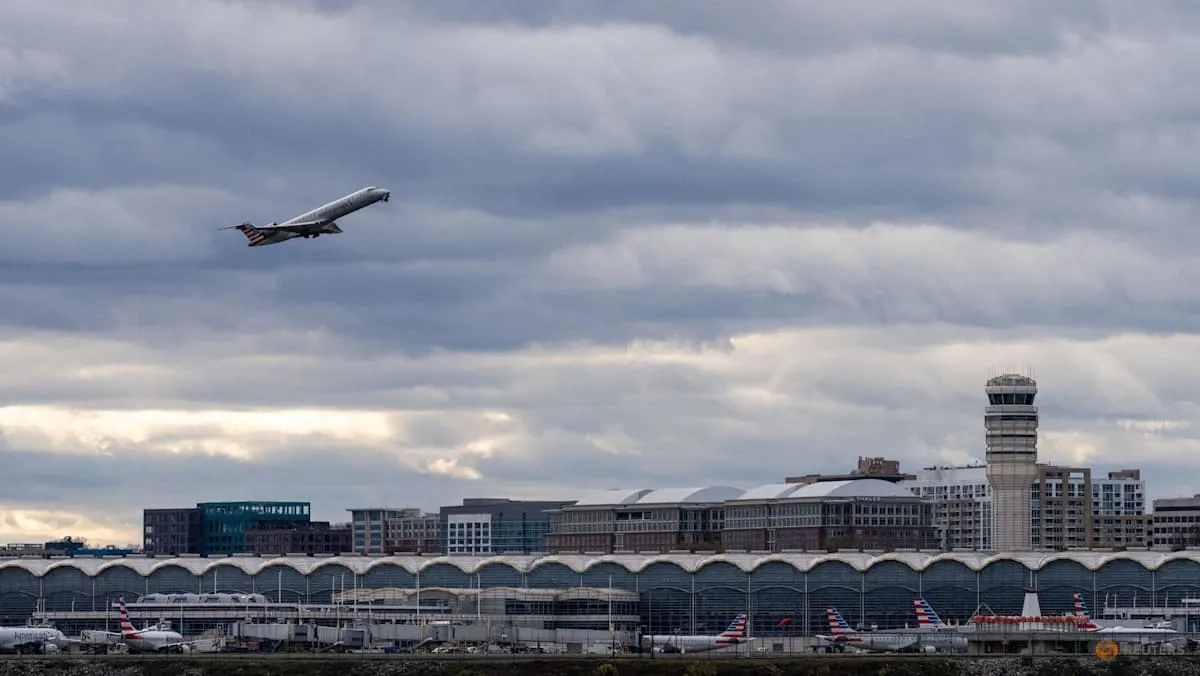
WASHINGTON – The Donald Trump administration has once again issued an early warning regarding potential widespread air travel disruptions across the United States. US Transportation Secretary Sean Duffy, on Sunday morning, transparently stated that efforts to reorganize flight schedules, crews, and thousands of passengers to their respective destinations would take longer than initially anticipated. This situation indicates the continuation of operational challenges frequently plaguing the national aviation sector.
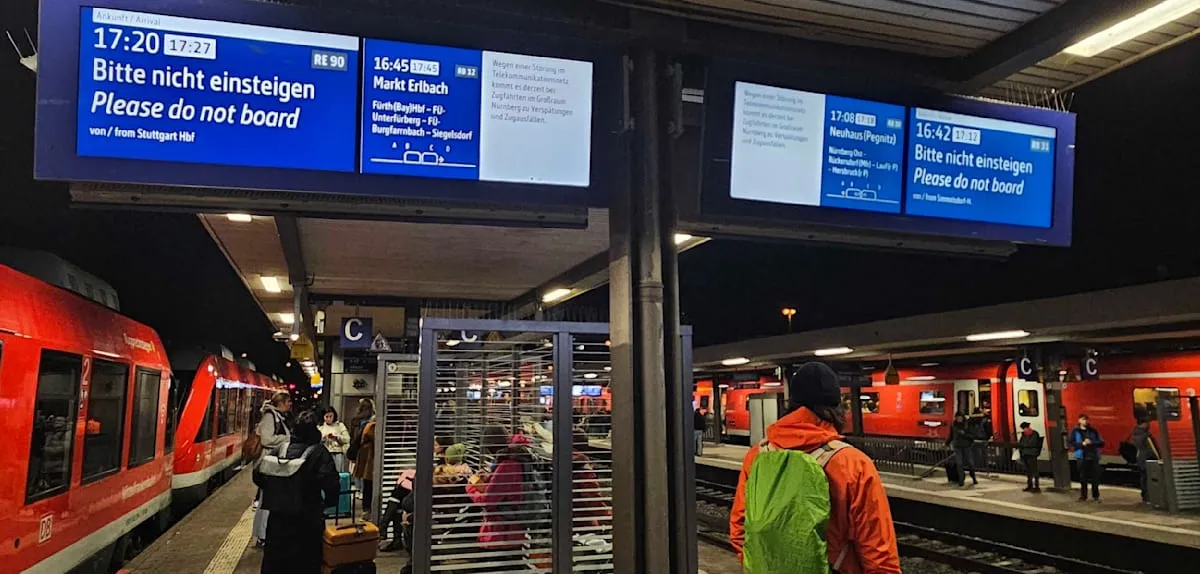
This statement comes after a series of incidents and disruptions that previously led to thousands of flight cancellations and mass delays at major airports. Aviation authorities are currently working diligently to restore stability to a system vulnerable to extreme weather, technical issues, and staffing shortages.
Secretary Duffy explained, It will take longer to get planes, crews and travelers to where they need to be. This statement underscores the complexity of logistical challenges faced by airlines and regulators. The implications of these delays could trigger a wave of frustration among travelers, especially heading into holiday seasons or peak travel periods.
This warning from the Trump administration is not a first. US aviation history records several periods when air traffic infrastructure and coordination were under extreme pressure. The reliability of the air traffic system and airline readiness remain key public concerns.
The US Department of Transportation, in collaboration with the Federal Aviation Administration (FAA) and various airlines, is devising mitigation strategies to minimize the impact of disruptions. However, the recurring scale of the problem highlights the need for long-term investment in system modernization and increased operational capacity.
Various factors can contribute to this chaos. Besides unpredictable bad weather, issues such as air traffic controller shortages, tight crew schedules, and technical problems with aircraft can simultaneously trigger a crippling domino effect.
Earlier this year, a similar publication highlighted how air travel chaos in the US once crippled thousands of flights, demonstrating the system's vulnerability that requires serious attention. These repeated occurrences demand a more comprehensive response from both the government and the industry.
Airlines are also required to be more proactive in informing passengers and offering alternative solutions. Transparency of information is key to maintaining public trust amidst travel uncertainties.
President Trump's administration faces pressure to ensure that the air transportation sector can operate efficiently and safely. This is not merely a matter of convenience but also a reflection of the national infrastructure's capacity to meet modern mobility demands.
Aviation experts suggest that solutions lie not only in technical improvements but also in human resource management and enhanced cross-sector communication. Close collaboration among the government, airlines, and labor unions is vital to prevent similar episodes of chaos in the future.
Editorial Insight:
Secretary Sean Duffy's warning indicates that fundamental issues within the US aviation system remain largely unresolved. This is not merely a fleeting operational problem but a symptom of aging infrastructure and continuously increasing capacity demands. The government and industry must urgently find sustainable solutions, including significant investment in technology modernization and human resource training, to avoid a larger crisis of public trust and economic losses. Without significant intervention, 'messy days' in air travel risk becoming the new norm, eroding the image of efficient American transportation.