 Chris Robert
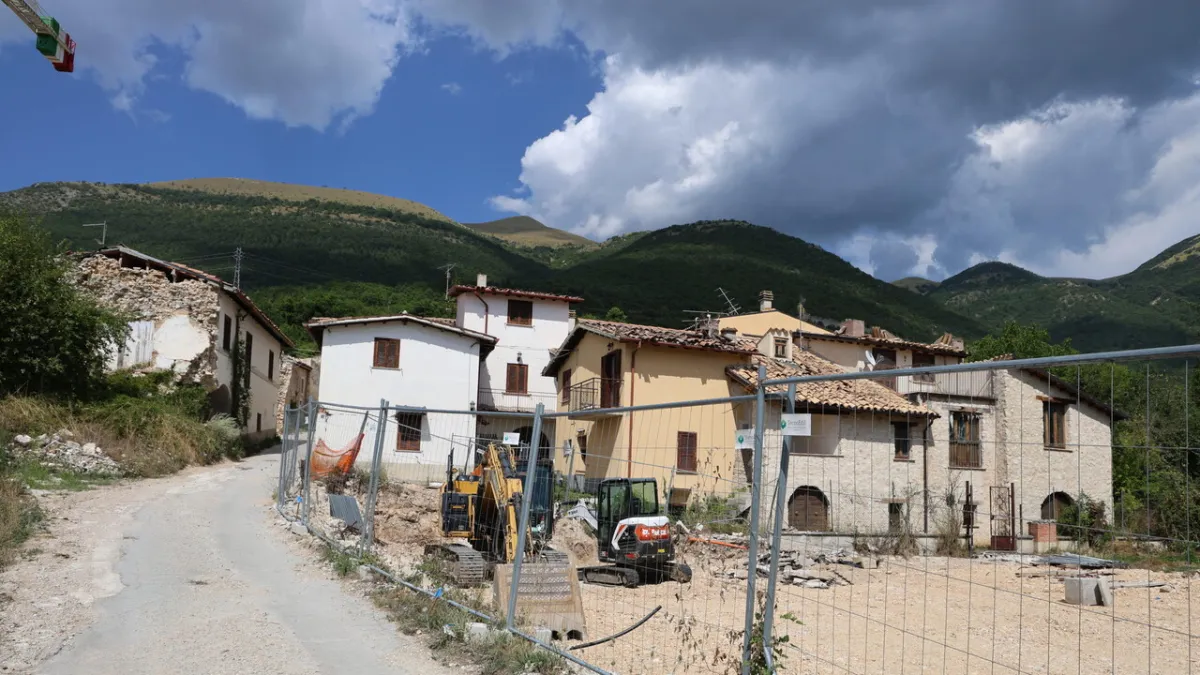
PERUGIA – Ten years after the devastating Sisma earthquake in 2016 that ravaged parts of its territory, the Umbria Province in Central Italy now radiates optimism for recovery. Latest data indicates that out of 4,054 private construction projects initiated for rehabilitation and reconstruction, 2,625 have been successfully completed. This achievement marks a significant milestone in the long-term effort to restore normal life for the affected communities.
This substantial progress is a result of intensive collaboration between local government, the private sector, and community initiatives. The post-2016 earthquake reconstruction process, targeting private residences and public facilities, continues to ensure the sustainability and resilience of the region. The primary focus is not merely on rebuilding, but on revitalizing the entire social and economic ecosystem.
According to Proietti, an official involved in the reconstruction program, it is essential to accompany the complete rebirth of communities. This statement underscores a broader vision beyond physical construction, encompassing social, cultural, and economic aspects for Umbria's sustainable future.
The 2016 Sisma earthquake, which occurred in August and October of that year, caused severe damage in several small towns and villages in Umbria and surrounding regions like Marche and Lazio. Thousands of buildings were destroyed or rendered uninhabitable, forcing tens of thousands of residents to evacuate. The 2,625 completed projects represent more than half of the total work initiated, a positive indication of the pace of recovery.
Nevertheless, the journey towards total recovery remains long. Thousands of projects are still awaiting completion, and bureaucratic hurdles as well as funding challenges persist. The local government is committed to accelerating this process through various incentive schemes and regulatory simplifications, ensuring that every affected citizen regains their home and livelihood.
This reconstruction has not only a social dimension but also an economic one. Construction activities have absorbed local labor and stimulated growth in related sectors. Amidst Italy's economic fluctuations, sometimes marked by debates over fiscal policies such as taxation, this success in Umbria reflects the nation's resilience and ability to recover from disaster.
Active involvement from local communities has been key to success. Many residents voluntarily assisted in the planning and oversight processes, ensuring that reconstruction is not only efficient but also responsive to the real needs of the communities. These community-based initiatives complement the efforts of the government and private sector.
Umbria, known for its beautiful rural landscapes and historic towns, is also striving to restore its tourism sector. Many damaged historical buildings and cultural sites are now undergoing restoration. The hope is that with the completion of reconstruction, the region's appeal will once again attract tourists, similar to efforts made to revitalize cultural assets across Italy.
The experience from Sisma 2016 has provided valuable lessons on the importance of comprehensive disaster response planning and cross-sector coordination. The Italian government is now more prepared in formulating emergency protocols and post-disaster rehabilitation strategies, strengthening infrastructure for future resilience.
The completion of 2,625 private projects is just the beginning of a long journey. With a total target of 4,054 projects, local and central governments continue to collaborate to achieve the envisioned 'complete rebirth of communities.' Optimism remains high, supported by the unwavering spirit of Umbrian residents.
Editorial Insight: This significant achievement in Umbria's reconstruction highlights Italy's capability in managing long-term disaster response. However, bureaucratic challenges and funding sustainability will be crucial to ensure all targets are met. The success of this project not only restores physical structures but also rebuilds trust and hope for the affected citizens, creating a replicable model for recovery.