 Angel Doris
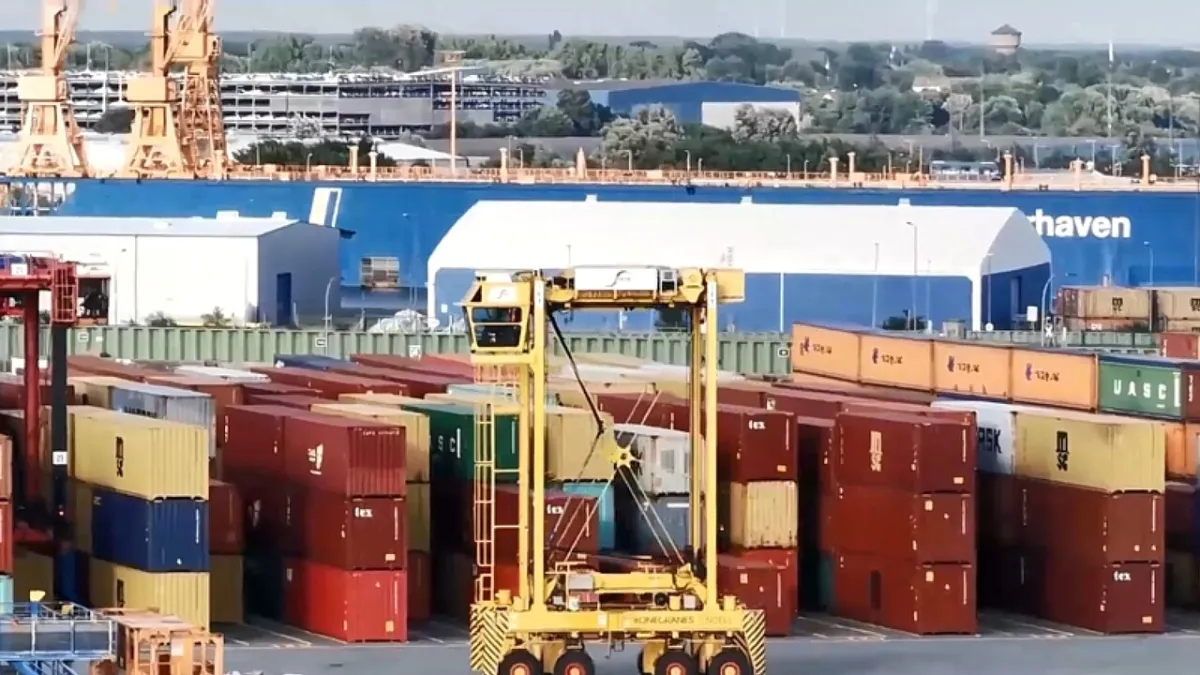
WASHINGTON – The United States government, under President Donald Trump's leadership, at the beginning of 2026, has once again proposed a series of significant new tariffs, targeting China, the European Union, and twelve other countries. This economic protectionism policy has the potential to trigger a wave of uncertainty in global trade, with planned tariffs reaching 15 percent for European Union products and soaring up to 20 percent for goods from China.
This tariff proposal comes amidst the Trump administration's efforts to rebalance trade deficits and prioritize domestic industries. The move is explicitly designed to curb trade practices Washington deems unfair, especially from Beijing and Brussels, who are key US trading partners.
Threats of new tariffs are not the first time they have been issued by the Trump administration. In previous terms, a series of similar policies triggered widespread trade wars, although some tariffs were later removed or renegotiated. However, the repetition of this strategy in 2026 indicates that Washington is not hesitant to use economic pressure to achieve its geopolitical and financial goals.
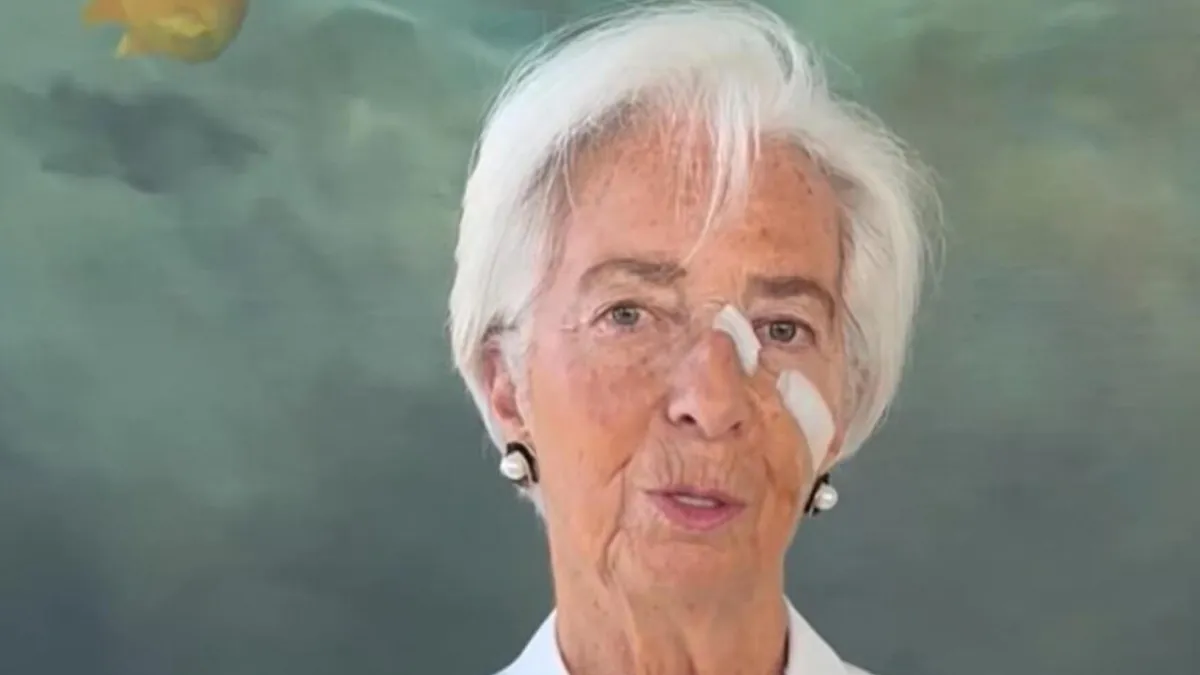
Global economic observers immediately responded to the proposal with deep concern. Christine Lagarde, President of the European Central Bank, in an economic forum in Brussels, stated that, Any increase in trade barriers will slow down the fragile global economic recovery and potentially trigger a retaliatory spiral that harms all parties.
From Beijing, initial responses showed disappointment and signals of retaliation. A spokesperson for the Chinese Ministry of Commerce, referring to an article about China Outraged: US Repression of Huawei Triggers Aggressive Retaliatory Threats, affirmed that China would take all necessary measures to protect the legitimate interests of its companies if the tariffs are imposed. The scale of China's retaliation could include tariffs on US goods, investment restrictions, or even non-tariff sanctions.
The twelve other countries targeted by these tariffs have not been specifically announced, but are expected to include economies with significant trade surpluses with the United States or those involved in practices Washington deems detrimental to US industries. Further clarity on this list of countries will be a major concern for global markets in the coming weeks.
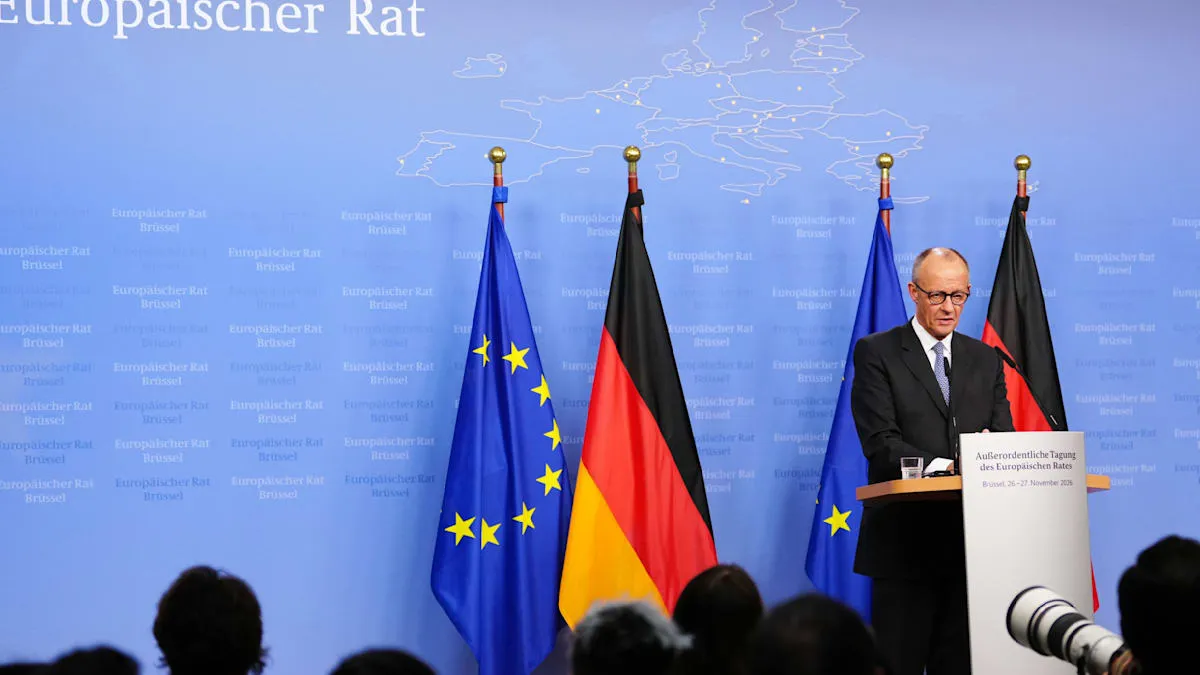
The European Union, through the European Commission, has begun to formulate potential retaliatory strategies. Internal sources indicate that the Commission is reviewing a list of US products that could be subject to reciprocal tariffs, similar to past actions. This aims to exert effective counter-pressure on Washington.
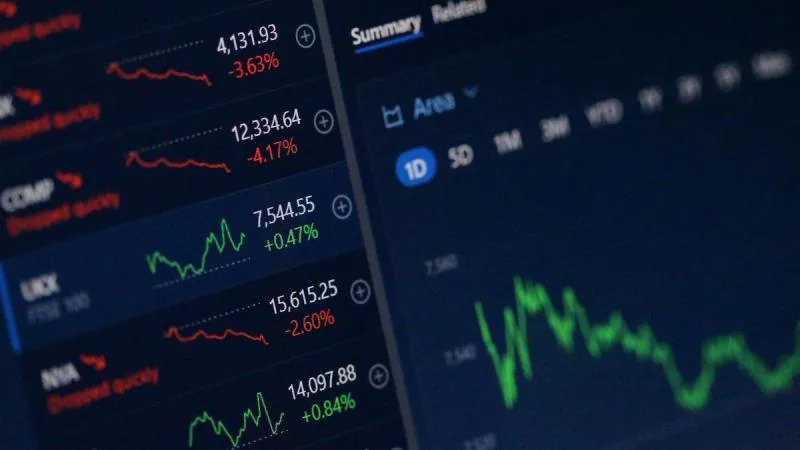
Multinational corporations operating in the US, China, and the EU will face significant uncertainty. They will need to re-evaluate their global supply chains and production strategies to mitigate the impact of potential cost increases and market disruptions that may occur.
The technology, manufacturing, and agriculture sectors are predicted to be the most vulnerable to these tariff policies. Consumers worldwide may also feel the impact through higher prices for imported products or limited choices of goods.
The trajectory of US foreign and economic policy under President Donald Trump has always been synonymous with a unilateral approach. The decision to re-implement large-scale tariffs in 2026 demonstrates consistency in the America First philosophy that underpins his administration.
Editorial Insight: The new tariff proposals by the Trump administration in 2026 represent a high-risk move. While aiming to protect domestic industries, this policy could escalate a trade war detrimental to all parties, hinder global economic growth, and worsen geopolitical relations between major world powers. The scale and scope of the proposed tariffs against China and the European Union indicate that Washington is prepared for significant consequences to achieve its protectionist goals. The world must prepare for market volatility and diplomatic tensions that may accompany the implementation of this policy.